

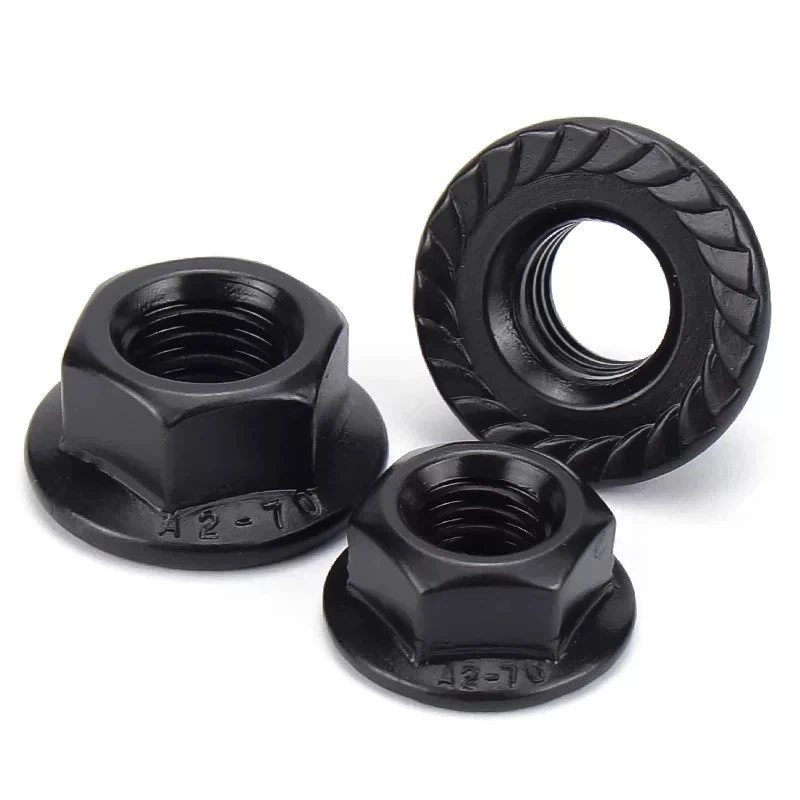
All-Metal Lock Nut
Description
Technical Parameters
All-metal lock nuts are threaded fasteners that generate prevailing torque through mechanical interference between the nut and mating bolt threads. Unlike nylon-insert lock nuts, they use no polymer insert, making them an option for assemblies exposed to elevated temperatures, mechanical vibration, and repeated thermal cycling.
Common designs include top-lock nuts with a deformed upper thread section, centre-lock nuts, and cone-type or Stover-style lock nuts. Each design produces locking resistance through a different thread-interference geometry. Selection depends on the required mechanical properties, installation conditions, operating temperature, corrosion exposure, and applicable fastener standard.
These nuts are used by OEM manufacturers, industrial equipment producers, automotive component suppliers, and fastener distributors. For engineering procurement, the critical factors are not only thread dimensions and strength class but also prevailing torque, proof load, coating compatibility, and performance after installation and removal.
Product Features
Metal-to-Metal Locking: Mechanical thread interference generates prevailing torque without a nylon or other polymer insert.
Temperature-Related Selection: The absence of a polymer insert removes the insert's temperature limitation. The allowable operating temperature still depends on the nut material, coating, lubricant, and locking design.
Multiple Locking Designs: Top-lock, centre-lock, and cone-type configurations accommodate different assembly geometries and installation requirements.
Material and Finish Options: Carbon steel, alloy steel, and stainless steel options address different mechanical strength and corrosion requirements.
Controlled Thread Engagement: Thread dimensions, surface finish, and coating thickness influence installation torque and the risk of thread interference or galling.
Technical Specifications
|
Parameter |
Specification |
|
Product Type |
All-Metal Prevailing-Torque Lock Nut |
|
Thread Standards |
ISO metric threads; Unified inch-series threads |
|
Metric Thread Range |
M4–M36 |
|
Inch Thread Series |
UNC and UNF |
|
Metric Thread Tolerance |
6H internal thread |
|
Metric Property Classes |
8, 10 and 12 |
|
Inch-Series Grades |
ASTM/SAE grades A, B and C |
|
Carbon Steel |
35K and 45 steel |
|
Alloy Steel |
40Cr and 35CrMo |
|
Stainless Steel |
AISI 304 and AISI 316 |
|
Locking Designs |
Top-lock, centre-lock and cone-type/Stover-style |
|
Surface Finishes |
Clear zinc plating, yellow zinc plating, zinc-nickel plating, phosphate coating and zinc-flake coating |
|
Thread Direction |
Right-hand; left-hand available |
|
Performance Tests |
Prevailing torque test, proof load test, dimensional inspection and salt spray corrosion test |
|
Quality Documentation |
Material certificates, dimensional inspection reports and batch traceability records |
Applications
Automotive and Commercial Vehicles
Suitable for specified chassis, suspension, steering, and powertrain assemblies where the fastening design requires prevailing torque. Final selection must follow the joint's engineering requirements.
Construction and Mining Equipment
Used in machinery assemblies exposed to mechanical shock and vibration, including equipment frames, brackets, and selected hydraulic-system mounting points.
Industrial Machinery
Applicable to gearboxes, mechanical drives, machine frames, and other threaded joints where a prevailing-torque fastener is specified.
Energy and Heavy Equipment
Used in selected turbine, generator, and structural equipment assemblies when the nut's material, dimensions, strength class, and environmental resistance meet the design requirements.
Key Selection Factors
Operating Temperature: Evaluate the temperature limits of the nut material, coating, and lubricant. All-metal construction eliminates polymer-insert limitations but does not establish a universal maximum operating temperature.
Mechanical Properties: Match the nut property class or grade to the mating bolt and joint design. Verify proof load, thread engagement, and compatibility with the applicable fastener standard rather than relying on a general hardness comparison.
Prevailing Torque: Confirm the required installation and removal torque values using the specified test method. Initial and subsequent prevailing torque can differ, so reuse must follow the applicable specification and joint requirements.
Corrosion Protection: Select zinc, zinc-nickel, phosphate, or zinc-flake finishes according to the service environment and coating specification. Compare salt spray results only when the test method, coating system, exposure duration, and acceptance criteria are equivalent.
Installation Conditions: Consider installation speed, lubrication, mating bolt surface condition, and repeated assembly requirements. These factors influence torque readings, thread wear, and the risk of galling.
FAQ
Q: Can all-metal lock nuts be reused?
A: Some designs can be reused, but prevailing torque may decrease after repeated installation and removal. Follow the applicable product specification and replace fasteners when required by the joint design or maintenance procedure.
Q: Are all-metal lock nuts suitable for high-temperature applications?
A: They can be suitable where polymer inserts are unsuitable, but the allowable temperature depends on material strength, coating, lubricant, and operating conditions. Confirm the limits for the selected configuration.
Q: How is hydrogen embrittlement addressed?
A: Electroplated high-strength fasteners may require hydrogen embrittlement relief baking under the applicable specification. Process requirements depend on material strength and plating conditions; baking does not guarantee that all hydrogen-related risk is eliminated.
Q: Can custom sizes and thread pitches be supplied?
A: Custom dimensions, thread pitches, materials, and locking geometries can be evaluated against engineering drawings and specified performance requirements. Manufacturing feasibility depends on the design and required validation.
Request a Quote
To request a quotation, provide the thread size and pitch, applicable standard, required property class or grade, locking design, material, surface finish, order quantity, and intended operating conditions. Drawings or existing part references help establish dimensional and functional requirements.
For application-specific projects, include required prevailing torque values, proof load requirements, corrosion test criteria, and any restrictions on coating or operating temperature. These details allow the supplier to assess product compatibility and identify the technical information needed before order confirmation.
Hot Tags: all-metal lock nut, China all-metal lock nut manufacturers, suppliers, factory
Previous
No InformationSend Inquiry


