

What is the correct torque for wheel nuts?
Aug 29, 2025
Leave a message
When it comes to vehicle safety, few components are as crucial as wheel nuts. These small but mighty fasteners play a pivotal role in securing the wheels to the vehicle, ensuring a smooth and safe ride. As a leading wheel nut supplier, I've witnessed firsthand the importance of using the correct torque for wheel nuts. In this blog post, I'll delve into the significance of proper torque, how to determine the right torque for your vehicle, and why choosing the right wheel nuts matters.
The Importance of Correct Torque
Torque is the measure of the force applied to rotate an object around an axis. In the context of wheel nuts, it refers to the amount of force used to tighten the nuts onto the wheel studs. Applying the correct torque is essential for several reasons:
- Safety: Properly torqued wheel nuts prevent the wheels from coming loose while driving, which can lead to serious accidents. If the nuts are too loose, the wheel may wobble or even detach from the vehicle. On the other hand, over-tightening the nuts can damage the wheel studs, threads, or the wheel itself, also compromising safety.
- Longevity: Correct torque helps distribute the load evenly across the wheel and the wheel studs, reducing the risk of premature wear and tear. This extends the lifespan of both the wheel nuts and the wheels, saving you money in the long run.
- Performance: When the wheel nuts are torqued correctly, the wheels are properly aligned, which improves handling and reduces tire wear. This results in a smoother, more comfortable ride and better fuel efficiency.
How to Determine the Correct Torque
The correct torque for wheel nuts varies depending on several factors, including the vehicle make and model, the size and type of the wheel, and the material of the wheel nuts. Here are some steps to help you determine the right torque for your vehicle:
- Consult the vehicle owner's manual: The owner's manual is the best source of information for the recommended torque specifications for your vehicle. It will provide you with the exact torque values for your specific make and model.
- Check the wheel manufacturer's specifications: In addition to the vehicle owner's manual, you should also check the wheel manufacturer's specifications. Some wheels may have different torque requirements based on their design and construction.
- Use a torque wrench: To ensure accurate torque application, it's important to use a torque wrench. A torque wrench allows you to apply the exact amount of torque specified for your vehicle. Make sure to follow the manufacturer's instructions when using a torque wrench.
Types of Wheel Nuts and Their Torque Requirements
There are several types of wheel nuts available on the market, each with its own unique design and torque requirements. Here are some common types of wheel nuts and their typical torque ranges:
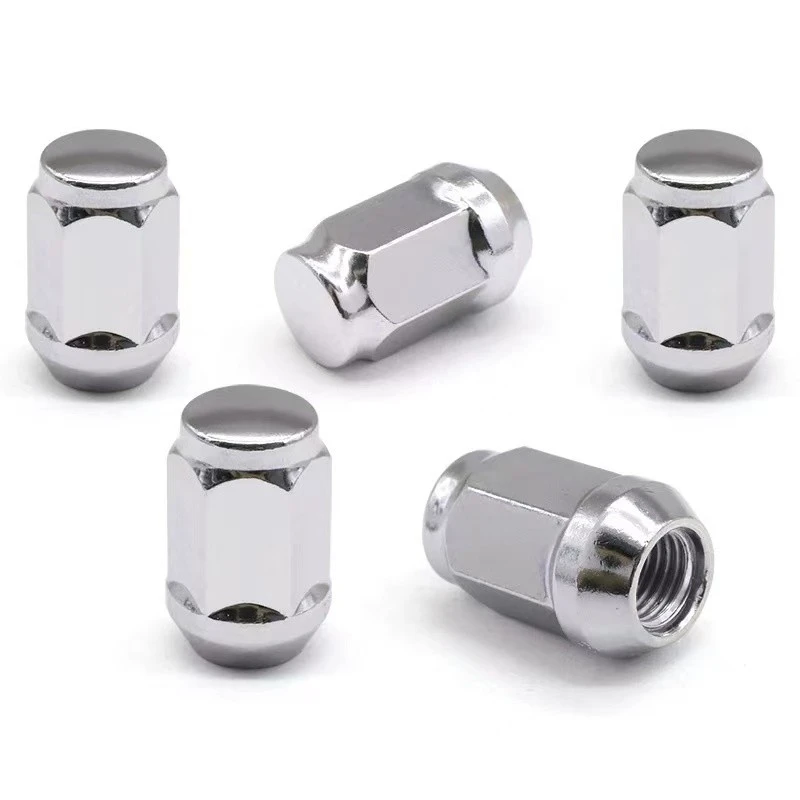

- Conical seat wheel nuts: These are the most common type of wheel nuts and are used on most passenger cars and light trucks. They have a tapered seat that matches the shape of the wheel stud. The typical torque range for conical seat wheel nuts is between 80 and 100 foot-pounds.
- Ball seat wheel nuts: Ball seat wheel nuts have a rounded seat that provides a more even distribution of force. They are commonly used on European vehicles. The typical torque range for ball seat wheel nuts is between 70 and 90 foot-pounds.
- Mag seat wheel nuts: Mag seat wheel nuts are designed for use with mag wheels, which have a different seating surface than standard wheels. They have a flat seat that matches the shape of the mag wheel. The typical torque range for mag seat wheel nuts is between 60 and 80 foot-pounds.
Our Wheel Nut Products
As a wheel nut supplier, we offer a wide range of high-quality wheel nuts to meet the needs of different vehicles and applications. Our wheel nuts are made from premium materials and are designed to provide reliable performance and long-lasting durability. Here are some of our popular wheel nut products:
- Black Wheel Hub Nut: These black wheel hub nuts are made from high-strength steel and feature a corrosion-resistant finish. They are available in a variety of sizes and styles to fit different vehicles.
- M10 Wheel Hub Nut: The M10 wheel hub nuts are designed for use with M10 wheel studs. They are made from high-quality materials and are precision-engineered to provide a secure fit.
- DIN74361 Hub Nut: Our DIN74361 hub nuts are compliant with the DIN 74361 standard, which ensures high quality and reliability. They are suitable for a wide range of vehicles and applications.
Conclusion
In conclusion, using the correct torque for wheel nuts is essential for vehicle safety, longevity, and performance. By following the recommended torque specifications and using a torque wrench, you can ensure that your wheel nuts are properly tightened and your wheels are secure. As a wheel nut supplier, we are committed to providing our customers with high-quality wheel nuts and expert advice. If you have any questions or need help choosing the right wheel nuts for your vehicle, please don't hesitate to contact us. We look forward to working with you to ensure your vehicle's safety and performance.
References
- Vehicle Owner's Manuals
- Wheel Manufacturer Specifications
- Automotive Engineering Textbooks