

What are the surface treatments available for UNC American Hex Bolts?
Dec 01, 2025
Leave a message
Hey there! As a supplier of UNC American Hex Bolts, I often get asked about the different surface treatments available for these bolts. In this blog post, I'll walk you through the most common surface treatments, their benefits, and when to use them.
Zinc Plating
Zinc plating is one of the most popular surface treatments for UNC American Hex Bolts. It involves coating the bolt with a thin layer of zinc, which provides a basic level of corrosion resistance. Zinc plating is relatively inexpensive and can be done in a variety of finishes, including clear, yellow, and black.
The clear zinc finish is the most common and provides a bright, shiny appearance. It's suitable for indoor applications or environments with low levels of moisture. Yellow zinc plating, also known as chromate conversion coating, offers slightly better corrosion resistance than clear zinc. It has a yellowish tint and is often used in outdoor applications or in areas with moderate humidity.
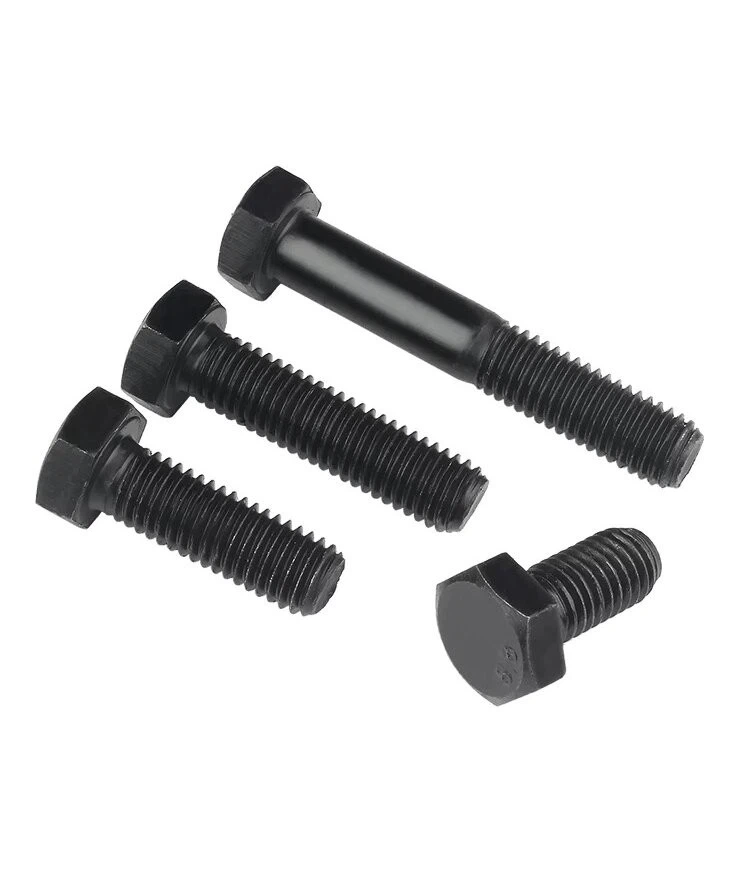
Black zinc plating is a popular choice for applications where a more aesthetically pleasing or stealthy look is desired. It provides similar corrosion resistance to yellow zinc but with a darker finish. Black zinc-plated bolts are commonly used in automotive, furniture, and construction industries.
Hot-Dip Galvanizing
Hot-dip galvanizing is a more heavy-duty surface treatment that involves immersing the bolt in a bath of molten zinc. This process creates a thick, durable zinc coating that provides excellent corrosion resistance, especially in harsh environments. Hot-dip galvanized bolts are often used in outdoor construction, marine applications, and infrastructure projects.
The main advantage of hot-dip galvanizing is its long lifespan. The thick zinc coating can protect the bolt from corrosion for decades, even in the most challenging conditions. However, hot-dip galvanizing is more expensive than zinc plating and can add some weight to the bolt. It also has a rougher finish compared to zinc plating, which may not be suitable for applications where a smooth surface is required.
Stainless Steel
Stainless steel is another popular material for UNC American Hex Bolts, especially in applications where corrosion resistance is a top priority. Stainless steel bolts are made from an alloy of iron, chromium, and other elements, which gives them excellent resistance to rust and corrosion.

There are several grades of stainless steel available, each with different levels of corrosion resistance and strength. The most common grades for bolts are 304 and 316 stainless steel. 304 stainless steel is suitable for most general-purpose applications, while 316 stainless steel is more resistant to corrosion in harsh environments, such as marine or chemical industries.
Stainless steel bolts have a sleek, modern appearance and are often used in architectural, food processing, and medical applications. However, they are more expensive than zinc-plated or hot-dip galvanized bolts and may not be necessary for all applications.
Dacromet Coating
Dacromet coating is a relatively new surface treatment that offers excellent corrosion resistance and environmental friendliness. It involves applying a thin layer of zinc-aluminum alloy to the bolt using a special coating process. Dacromet-coated bolts have a silver-gray appearance and provide superior corrosion resistance compared to traditional zinc plating.
One of the main advantages of Dacromet coating is its environmental friendliness. It does not contain heavy metals such as lead, cadmium, or chromium VI, which are harmful to the environment and human health. Dacromet-coated bolts are also resistant to high temperatures and can be used in applications where traditional coatings may fail.
However, Dacromet coating is more expensive than zinc plating and may not be suitable for all applications. It also has a lower surface hardness compared to hot-dip galvanizing, which may make it more susceptible to damage during installation or use.
Phosphate Coating
Phosphate coating is a chemical treatment that creates a thin, porous layer of phosphate on the surface of the bolt. This layer provides some corrosion resistance and also serves as a base for further coating or painting. Phosphate-coated bolts are often used in automotive, machinery, and electrical industries.
The main advantage of phosphate coating is its ability to improve the adhesion of paint or other coatings. The porous surface of the phosphate coating allows the paint to bond more effectively, resulting in a more durable and long-lasting finish. Phosphate coating is also relatively inexpensive and can be done quickly.
However, phosphate coating alone does not provide significant corrosion resistance. It is usually used in combination with other surface treatments, such as zinc plating or painting, to provide adequate protection.
Choosing the Right Surface Treatment
When choosing a surface treatment for your UNC American Hex Bolts, there are several factors to consider, including the application environment, the level of corrosion resistance required, the budget, and the aesthetic requirements.
If you're using the bolts in an indoor environment with low levels of moisture, zinc plating may be sufficient. Clear zinc plating is a cost-effective option, while yellow or black zinc plating can provide additional corrosion resistance and a more attractive appearance.
For outdoor applications or harsh environments, hot-dip galvanizing or stainless steel may be a better choice. Hot-dip galvanized bolts offer excellent long-term corrosion resistance, while stainless steel bolts are more resistant to rust and corrosion in all conditions.
If you're looking for an environmentally friendly option, Dacromet coating may be worth considering. It provides excellent corrosion resistance without the use of harmful heavy metals.
Finally, if you need to paint or coat the bolts, phosphate coating can improve the adhesion of the paint and provide some additional corrosion resistance.
Conclusion
In conclusion, there are several surface treatments available for UNC American Hex Bolts, each with its own advantages and disadvantages. By understanding the different options and considering the specific requirements of your application, you can choose the right surface treatment to ensure the longevity and performance of your bolts.
If you're in the market for UNC American Hex Bolts or have any questions about surface treatments, feel free to contact us. We're a leading supplier of high-quality bolts and can help you find the right solution for your needs.
References
- ASTM International. (2021). ASTM A307: Standard Specification for Carbon Steel Bolts and Studs, 60 000 PSI Tensile Strength.
- ASTM International. (2021). ASTM A153/A153M: Standard Specification for Zinc Coating (Hot-Dip) on Iron and Steel Hardware.
- ASTM International. (2021). ASTM A563: Standard Specification for Carbon and Alloy Steel Nuts.
- ISO 4014:2011: Hexagon bolts and screws - Product grades A and B.
- ISO 4017:2011: Hexagon nuts - Product grades A and B.
Remember, choosing the right surface treatment for your UNC American Hex Bolts is crucial for ensuring their performance and longevity. Whether you need 8.8 Grade Hex Bolt, DIN931 Hex Bolt, or DIN933 Full Tooth External Hex Bolt, we've got you covered. Don't hesitate to reach out if you have any questions or need help with your bolt selection. Let's work together to find the perfect solution for your project!