

How does a flange nut work?
Aug 25, 2025
Leave a message
Flange nuts are a crucial component in various industries, known for their unique design and functional advantages. As a dedicated flange nut supplier, I am excited to delve into the mechanics of how these nuts work and explore their applications.
The Basics of Flange Nuts
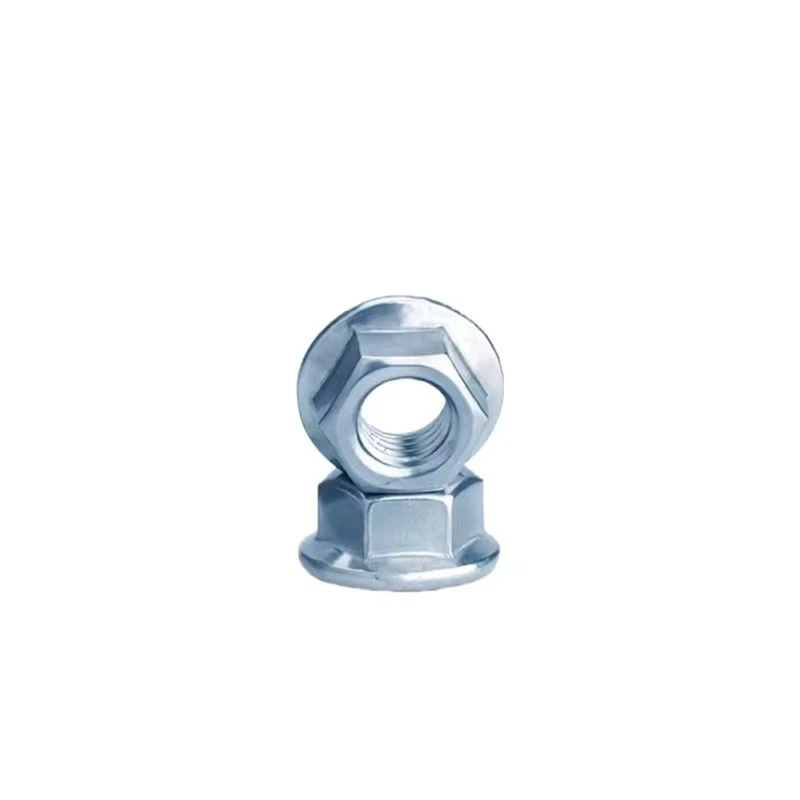
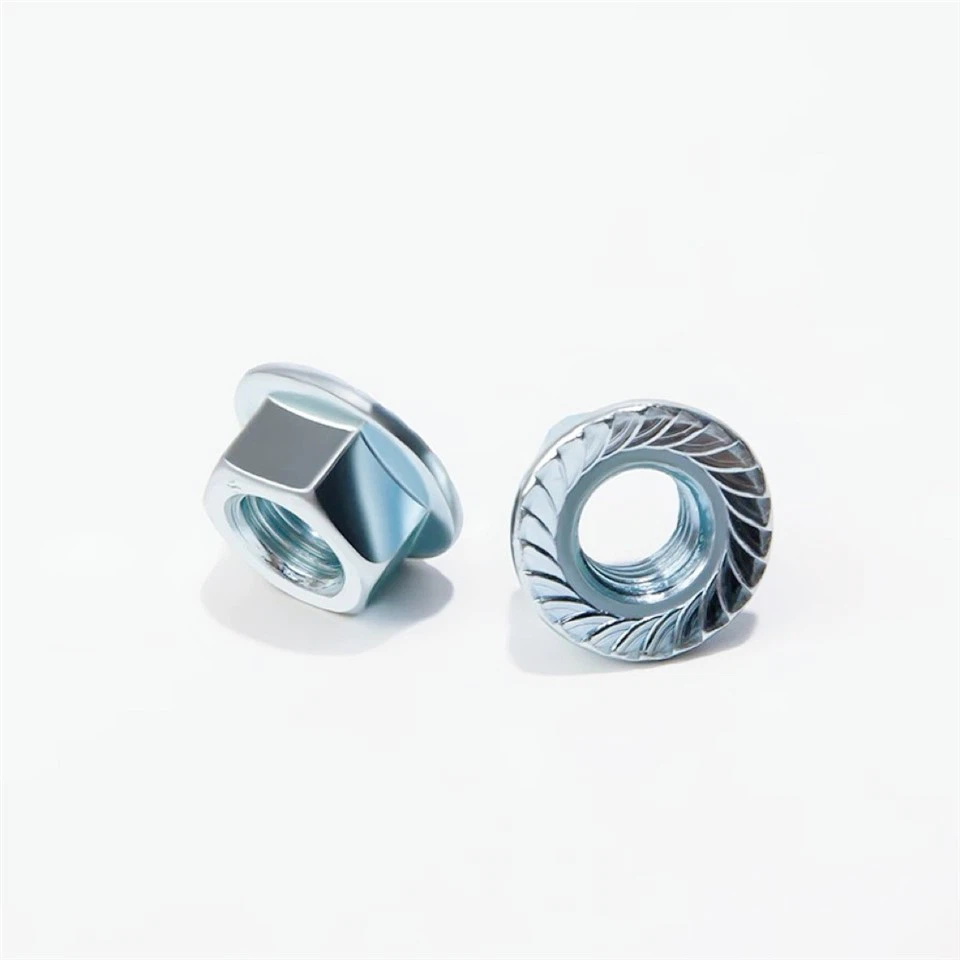
A flange nut is a type of nut that has a wide flange at one end, which acts as an integrated washer. This flange provides a larger bearing surface compared to a standard nut, distributing the load more evenly over the surface of the joint. The increased bearing surface helps to prevent the nut from loosening due to vibration and reduces the risk of damage to the mating surface.
The design of a flange nut is simple yet effective. The body of the nut is typically hexagonal, allowing it to be tightened using a standard wrench or socket. The flange, which is usually circular or square, extends radially from the base of the nut. The thickness and diameter of the flange can vary depending on the application and the size of the nut.
How Flange Nuts Work
The primary function of a flange nut is to secure two or more components together by creating a tight joint. When a flange nut is tightened onto a bolt or threaded stud, the flange presses against the surface of the mating component, creating a clamping force. This clamping force holds the components in place and prevents them from moving relative to each other.
One of the key advantages of flange nuts is their ability to resist loosening due to vibration. The large bearing surface of the flange helps to distribute the load evenly, reducing the stress concentration on the threads. This, in turn, reduces the likelihood of the nut vibrating loose over time. Additionally, the flange can act as a lock washer, providing an extra layer of security against loosening.
Another important aspect of how flange nuts work is their ability to protect the mating surface. The flange acts as a buffer between the nut and the surface of the component, preventing damage such as scratching or galling. This is particularly important in applications where the surface of the component is delicate or has a specific finish.
Types of Flange Nuts
There are several types of flange nuts available, each designed for specific applications. Some of the most common types include:
- 8 Grade Galvanized Flange Nut: These nuts are made from high-strength steel and are coated with a layer of zinc to protect against corrosion. The 8 grade indicates the strength of the nut, making it suitable for heavy-duty applications. You can find more information about 8 Grade Galvanized Flange Nut.
- Hex Flange Lock Nut: These nuts have a hexagonal body and a flange that is designed to provide a locking action. The locking mechanism can be achieved through various means, such as a nylon insert or a deformed thread. Hex flange lock nuts are commonly used in applications where vibration is a concern. Check out our Hex Flange Lock Nut for more details.
- DIN6923 Flange Nut: These nuts are designed to meet the DIN6923 standard, which specifies the dimensions and tolerances for flange nuts. DIN6923 flange nuts are commonly used in European applications and are known for their high quality and precision. Learn more about DIN6923 Flange Nut.
Applications of Flange Nuts
Flange nuts are used in a wide range of industries and applications, including:
- Automotive Industry: Flange nuts are commonly used in automotive applications, such as engine components, suspension systems, and brake assemblies. The ability of flange nuts to resist loosening due to vibration makes them ideal for these high-stress applications.
- Construction Industry: In the construction industry, flange nuts are used to secure structural components, such as beams, columns, and trusses. The large bearing surface of the flange helps to distribute the load evenly, ensuring the stability and safety of the structure.
- Manufacturing Industry: Flange nuts are used in various manufacturing processes, such as machinery assembly, equipment installation, and product manufacturing. The versatility of flange nuts makes them suitable for a wide range of applications, from small-scale production to large-scale industrial projects.
Choosing the Right Flange Nut
When choosing a flange nut for your application, it is important to consider several factors, including:
- Size and Thread Pitch: The size and thread pitch of the nut must match the size and thread pitch of the bolt or threaded stud. Using the wrong size or thread pitch can result in a loose or insecure joint.
- Material and Finish: The material and finish of the nut should be selected based on the application and the environment in which it will be used. For example, if the application is in a corrosive environment, a stainless steel or galvanized nut may be required.
- Strength and Grade: The strength and grade of the nut should be selected based on the load requirements of the application. Higher-grade nuts are typically stronger and can withstand greater loads.
Conclusion
Flange nuts are a versatile and reliable fastening solution that offers many advantages over standard nuts. Their unique design and functional features make them suitable for a wide range of applications, from automotive and construction to manufacturing and beyond. As a flange nut supplier, we are committed to providing high-quality products that meet the needs of our customers.
If you are in the market for flange nuts or have any questions about our products, please do not hesitate to contact us. Our team of experts is available to assist you in choosing the right flange nut for your application and to provide you with the best possible service. We look forward to working with you and helping you find the perfect fastening solution for your needs.
References
- Machinery's Handbook, 31st Edition
- Fastener Standards Handbook
- Automotive Engineering Handbook