

What is the torque specification for outer hexagon bolts?
Jan 13, 2026
Leave a message
What is the torque specification for outer hexagon bolts?
As a reliable outer hexagon bolt supplier, I often encounter inquiries from customers regarding the torque specifications of outer hexagon bolts. Understanding these specifications is crucial for ensuring the proper installation and performance of these bolts in various applications. In this blog post, I will delve into the concept of torque specification for outer hexagon bolts, factors influencing it, and how to determine the appropriate torque values.
Understanding Torque Specification
Torque is the rotational force applied to a bolt to tighten it. The torque specification for an outer hexagon bolt refers to the specific amount of torque that should be applied during installation to achieve the desired clamping force. Clamping force is the force that holds two or more components together, preventing them from loosening due to vibration, shock, or other external forces.
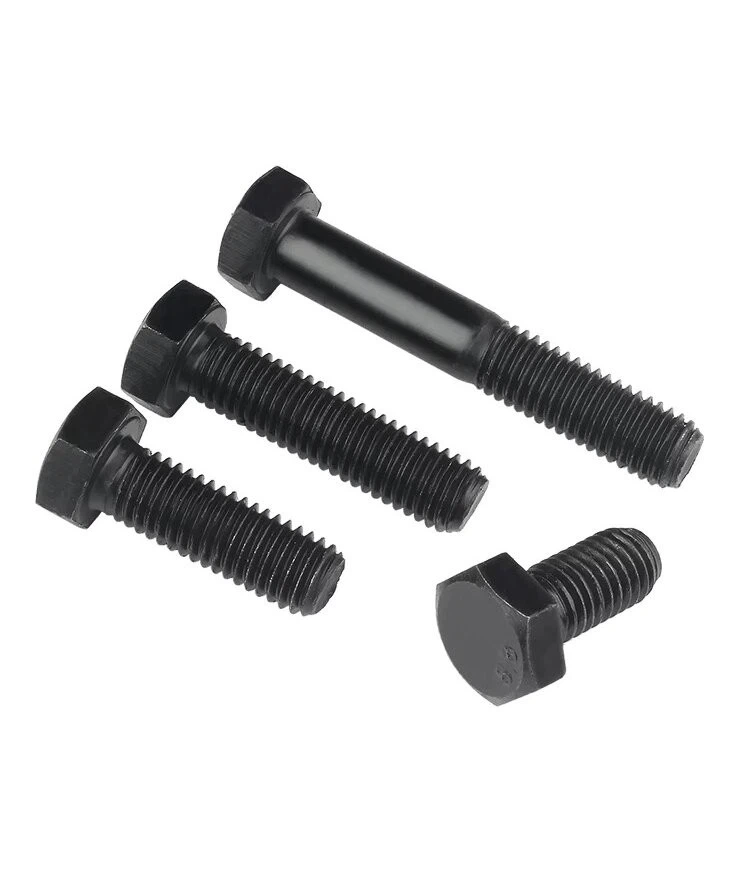

Proper torque application is essential for several reasons. Firstly, it ensures that the bolted joint is secure and can withstand the expected loads. Insufficient torque may result in a loose joint, leading to premature failure, leakage, or even safety hazards. On the other hand, excessive torque can cause the bolt to stretch, break, or damage the mating components.
Factors Influencing Torque Specification
Several factors influence the torque specification for outer hexagon bolts, including:
- Bolt Size and Grade: The size and grade of the bolt play a significant role in determining the torque specification. Larger bolts generally require higher torque values to achieve the same clamping force as smaller bolts. Similarly, higher-grade bolts, such as 8.8 Grade Hex Bolt, have higher strength and may require more torque to reach the desired preload.
- Material of the Bolt and Mating Components: The material properties of the bolt and the mating components affect the friction coefficient between the threads and the contact surfaces. Different materials have different friction characteristics, which can impact the amount of torque required to achieve a specific clamping force. For example, a bolt installed in a soft material may require less torque compared to the same bolt installed in a hard material.
- Surface Finish: The surface finish of the bolt and the mating components can also influence the friction coefficient. A smooth surface finish typically results in lower friction, while a rough surface finish may increase friction. This, in turn, affects the torque required to achieve the desired clamping force.
- Lubrication: The use of lubricants can significantly reduce the friction between the threads and the contact surfaces, thereby reducing the torque required to achieve the same clamping force. However, it is important to note that the type of lubricant used and the application conditions can also affect the torque - friction relationship.
Determining the Appropriate Torque Values
There are several methods for determining the appropriate torque values for outer hexagon bolts:
- Manufacturer's Recommendations: The most reliable source of torque specifications is the bolt manufacturer. Most manufacturers provide torque charts or guidelines based on the bolt size, grade, and application conditions. These recommendations take into account the specific properties of the bolts and are designed to ensure optimal performance and safety.
- Engineering Standards: Various engineering standards, such as ASTM, ISO, and DIN, provide general guidelines for torque values based on bolt size and grade. These standards can be used as a starting point for determining the appropriate torque, but it is important to consider the specific application requirements and any additional factors that may affect the torque - clamping force relationship.
- Torque Calculations: In some cases, it may be necessary to calculate the torque values based on the desired clamping force. The relationship between torque and clamping force can be expressed using the following formula:
[T = K \times F \times d]
where (T) is the torque, (K) is the torque coefficient, (F) is the clamping force, and (d) is the nominal diameter of the bolt. The torque coefficient (K) takes into account the friction between the threads and the contact surfaces and is typically determined experimentally.
Torque Application Methods
Once the appropriate torque values have been determined, it is important to use the correct torque application method to ensure accurate and consistent results. There are several common torque application methods, including:
- Torque Wrenches: Torque wrenches are the most commonly used tool for applying the correct torque to bolts. They are available in various types, such as click - type, beam - type, and digital torque wrenches. Torque wrenches allow the user to set the desired torque value, and they produce an audible or visual signal when the set torque is reached.
- Power Tools: Power tools, such as impact wrenches and electric torque guns, can also be used to apply torque to bolts. These tools are capable of applying high torque values quickly and efficiently. However, it is important to use them with caution, as they can easily over - torque the bolts if not properly calibrated or controlled.
Different Types of Outer Hexagon Bolts and Their Considerations
As an outer hexagon bolt supplier, we offer a wide range of bolts to meet different customer needs. Some of the popular types of outer hexagon bolts include UNC American Hex Bolt and DIN933 Full Tooth External Hex Bolt.
- UNC American Hex Bolt: These bolts follow the Unified National Coarse (UNC) thread standard, which is commonly used in the United States. When working with UNC American Hex Bolts, it is important to refer to the relevant American standards for torque specifications. The thread pitch and diameter of these bolts may differ from other standards, so using the correct torque values is crucial for proper installation.
- DIN933 Full Tooth External Hex Bolt: DIN933 is a German standard for full - tooth external hex bolts. These bolts are widely used in Europe and other parts of the world. The torque specifications for DIN933 bolts are typically provided in accordance with the DIN standards. It is important to ensure that the torque values are compatible with the specific application and the mating components when using these bolts.
Importance of Quality Bolts in Torque Application
Using high - quality outer hexagon bolts is essential for achieving the desired clamping force and ensuring the long - term performance of the bolted joint. Inferior quality bolts may have inconsistent thread dimensions, poor surface finish, or low strength, which can lead to inaccurate torque application and premature joint failure.
As a supplier, we are committed to providing our customers with high - quality outer hexagon bolts that meet or exceed the relevant industry standards. Our bolts are manufactured using high - grade materials and advanced manufacturing processes to ensure consistent quality and performance.
Contact Us for Your Bolt Needs
If you are in the market for high - quality outer hexagon bolts and need assistance with torque specifications or other technical aspects, we are here to help. Our team of experts has extensive knowledge and experience in the field of fasteners and can provide you with professional advice and support.
Whether you are working on a small DIY project or a large industrial application, we can offer the right bolts and solutions to meet your requirements. Contact us today to discuss your bolt needs and start a procurement negotiation. We look forward to serving you and helping you achieve the best results in your projects.
References
- Machinery's Handbook, 31st Edition
- ASTM Standards for Fasteners
- DIN Standards (e.g., DIN933)