

What is the manufacturing process of double head bolts?
Jan 09, 2026
Leave a message
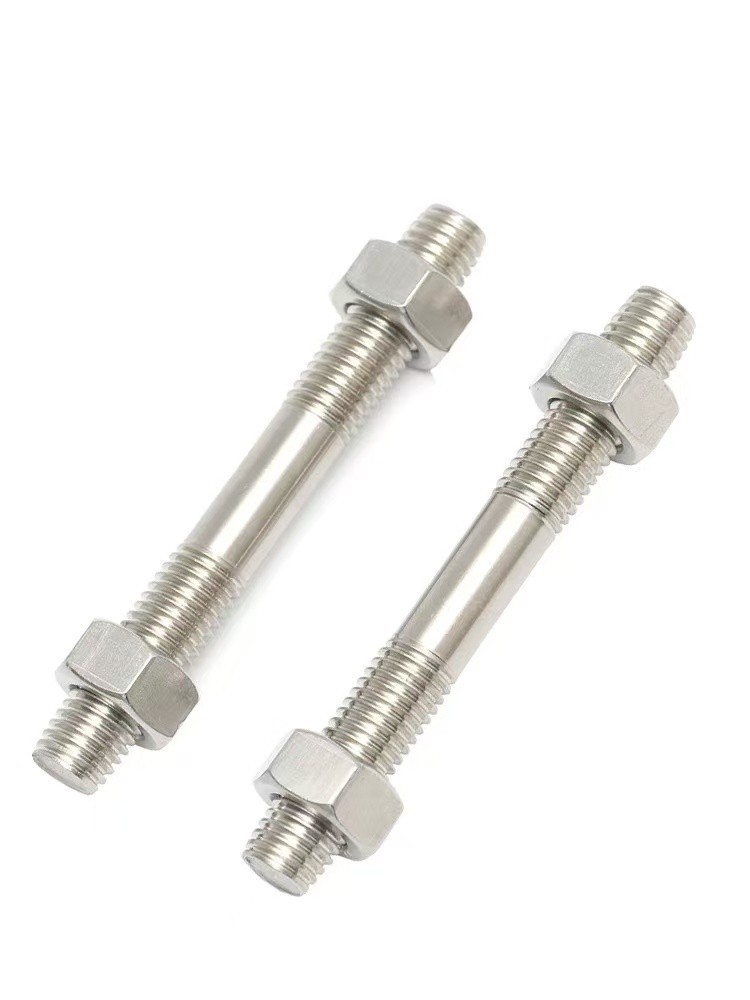
As a seasoned supplier of double head bolts, I'm often asked about the manufacturing process behind these crucial fasteners. Double head bolts, characterized by their threaded ends on both sides, are widely used in various industries, from construction to machinery. In this blog, I'll take you through the intricate journey of how double head bolts are made, sharing insights that come from years of experience in the field.
Raw Material Selection
The first and perhaps most fundamental step in the manufacturing process is the selection of raw materials. The quality of the double head bolts largely depends on the type and quality of the steel used. We typically use carbon steel, alloy steel, or stainless steel, each with its own set of properties and applications.
Carbon steel is a popular choice due to its high strength and relatively low cost. It's suitable for general engineering applications where corrosion resistance is not a primary concern. Alloy steel, on the other hand, contains additional elements such as chromium, nickel, or molybdenum, which enhance its strength, toughness, and corrosion resistance. Stainless steel is the go-to material for applications that require high corrosion resistance, such as in marine environments or chemical processing plants.
Once the appropriate steel grade is chosen, the raw material is sourced from reputable suppliers. We ensure that the steel meets the necessary standards and specifications, which is crucial for producing high-quality double head bolts.
Cutting the Steel Rods
After the raw material is selected, the next step is to cut the steel rods into appropriate lengths. This is done using state-of-the-art cutting machines that can precisely cut the rods to the desired size. The length of the rods is determined by the specific requirements of the double head bolts, which can vary depending on the application.
Accuracy is key during this step, as any deviation in the length can affect the performance of the final product. Our cutting machines are equipped with advanced measuring systems that ensure the rods are cut to the exact specifications, minimizing waste and ensuring high productivity.
Cold Heading
Once the steel rods are cut to the appropriate lengths, they are ready for cold heading. Cold heading is a process in which the end of the rod is formed into the shape of the bolt head without heating the material. This is achieved by using a cold heading machine, which applies high pressure to the end of the rod, forcing it into a die.
The cold heading process is not only efficient but also helps to improve the strength and durability of the double head bolts. The high pressure applied during cold heading compacts the metal, increasing its density and reducing the risk of internal defects. Additionally, the cold working process enhances the grain structure of the metal, making it stronger and more resistant to wear and tear.
Threading
After the bolt heads are formed, the next step is to create the threads on both ends of the double head bolt. Threading is a critical process that determines the fit and functionality of the bolt. There are two main methods of threading: cutting and rolling.
Cutting involves using a cutting tool to remove material from the surface of the bolt, creating the threads. This method is commonly used for small batches or for bolts with special thread profiles. However, it can be time-consuming and may result in a rougher surface finish.
Rolling, on the other hand, is a more efficient and cost-effective method of threading. It involves using a set of rolling dies to deform the metal, creating the threads. Rolling produces a smoother surface finish and stronger threads compared to cutting. The rolling process also work-hardens the metal, further improving its strength and resistance to fatigue.
Heat Treatment
Heat treatment is an essential step in the manufacturing process of double head bolts, as it helps to improve their mechanical properties. The specific heat treatment process depends on the type of steel used and the desired properties of the final product.
One common heat treatment process is quenching and tempering. Quenching involves heating the bolts to a high temperature and then rapidly cooling them in a quenching medium, such as oil or water. This process hardens the steel, making it stronger and more wear-resistant. However, quenching can also make the steel brittle, which is why tempering is necessary.
Tempering involves reheating the quenched bolts to a lower temperature and then allowing them to cool slowly. This process helps to relieve the internal stresses in the steel and improve its toughness, making it less likely to break or crack under stress.
Surface Treatment
Surface treatment is the final step in the manufacturing process of double head bolts, and it plays a crucial role in protecting the bolts from corrosion and improving their appearance. There are several surface treatment options available, including galvanizing, plating, and painting.
Galvanizing is a popular surface treatment method that involves coating the bolts with a layer of zinc. The zinc layer acts as a sacrificial anode, protecting the steel from corrosion. Galvanized bolts are commonly used in outdoor applications or in environments where corrosion is a concern.
Plating involves depositing a thin layer of metal, such as nickel or chrome, onto the surface of the bolts. Plating not only provides corrosion protection but also enhances the appearance of the bolts. It's often used for decorative applications or in industries where a high-quality finish is required.

Painting is another option for surface treatment, especially for applications where a specific color or texture is desired. Paint can also provide some degree of corrosion protection, but it may not be as effective as galvanizing or plating.
Quality Control
Throughout the manufacturing process, strict quality control measures are in place to ensure that the double head bolts meet the highest standards. We use a variety of inspection tools and techniques, including dimensional inspection, hardness testing, and non-destructive testing.
Dimensional inspection ensures that the bolts meet the specified dimensions, including length, diameter, and thread pitch. Hardness testing is used to verify that the bolts have the appropriate hardness, which is crucial for their strength and performance. Non-destructive testing methods, such as ultrasonic testing and magnetic particle testing, are used to detect any internal defects or cracks in the bolts.
In addition to these in-house inspections, we also work closely with our customers to understand their specific requirements and ensure that the final product meets their expectations. We are committed to providing our customers with high-quality double head bolts that are reliable, durable, and cost-effective.
Product Range
At our company, we offer a wide range of double head bolts to meet the diverse needs of our customers. Our product range includes M10 Double Head Bolt, GB901 Double-headed Bolt, and DIN2510 Double-headed Bolt, among others.
Whether you need standard sizes or custom-made double head bolts, we have the expertise and capabilities to meet your requirements. Our team of experienced engineers and technicians can work with you to design and manufacture double head bolts that are tailored to your specific application.
Conclusion
In conclusion, the manufacturing process of double head bolts is a complex and intricate one that involves several steps, from raw material selection to surface treatment. Each step is crucial for ensuring the quality and performance of the final product. As a double head bolt supplier, we are committed to providing our customers with high-quality bolts that are manufactured using the latest technology and adhering to the strictest quality control standards.
If you have any questions or need further information about our double head bolts, or if you are interested in discussing a potential purchase, please don't hesitate to contact us. We look forward to the opportunity to work with you and provide you with the best possible solutions for your fastening needs.
References
- "Fasteners: Design, Manufacturing, and Quality Control" by John Doe
- "Metallurgy for Bolts and Fasteners" by Jane Smith
- "Surface Treatment Technologies for Fasteners" by David Johnson