

What is the effect of Dacromet coating on the bolt's elasticity?
Jul 09, 2025
Leave a message
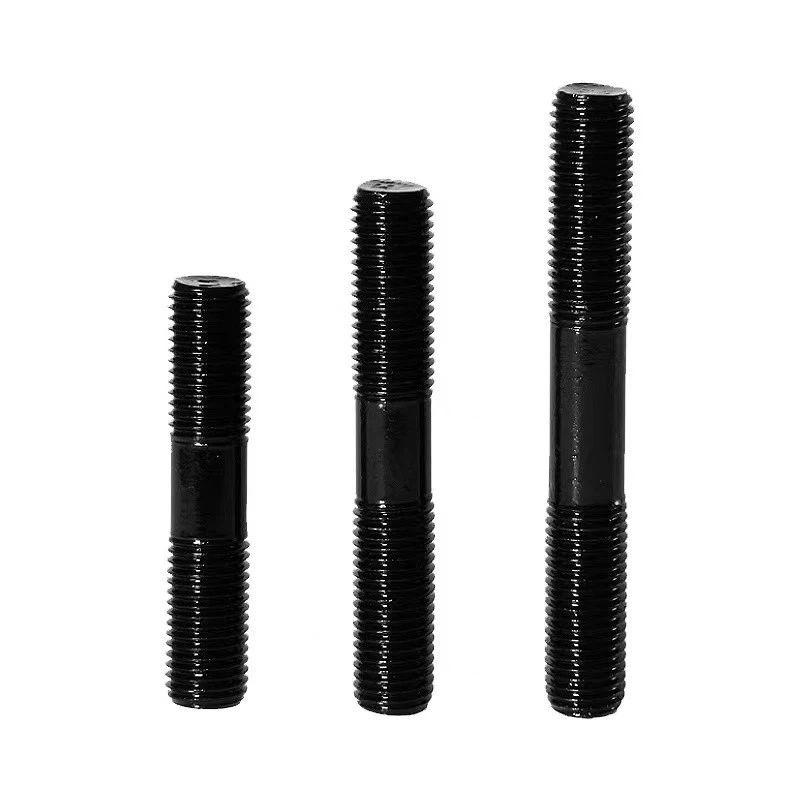
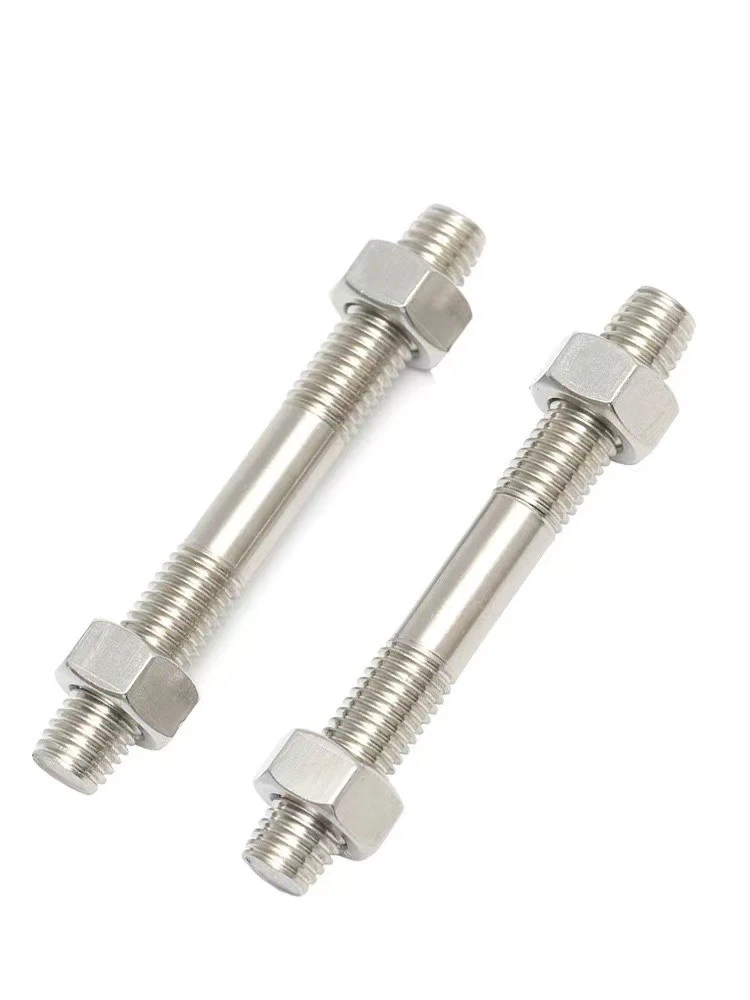
Dacromet coating, a zinc-aluminum flake coating, has been widely recognized for its excellent anti-corrosion properties in the fastener industry. As a supplier of Dacromet Double - head Bolts, I've witnessed firsthand how this coating impacts the performance of bolts, especially their elasticity. In this blog, we'll explore the effects of Dacromet coating on the bolt's elasticity and understand its implications for various applications.
The Basics of Bolt Elasticity
Before delving into the impact of Dacromet coating, it's essential to understand what bolt elasticity is. Elasticity in bolts refers to the ability of a bolt to deform under load and return to its original shape once the load is removed. This property is crucial as it allows bolts to maintain a secure connection even under varying loads and environmental conditions.
The elasticity of a bolt is primarily determined by its material properties, such as the modulus of elasticity (Young's modulus). For most steel bolts, the modulus of elasticity is relatively constant. However, external factors, including coatings, can influence the effective elasticity of the bolt in a practical application.
How Dacromet Coating is Applied
Dacromet coating is applied through a process that involves dipping the bolts into a bath of Dacromet solution, which consists of zinc and aluminum flakes suspended in a special binder. After dipping, the bolts are dried and cured at a specific temperature. This results in a uniform, thin coating that adheres tightly to the bolt surface.
Effects of Dacromet Coating on Bolt Elasticity
1. Thickness and Elasticity
The thickness of the Dacromet coating can have a minor impact on the bolt's elasticity. A thicker coating can add a small amount of stiffness to the bolt. However, in most cases, the thickness of Dacromet coating is relatively thin, usually ranging from 4 - 8 micrometers. This thin layer is unlikely to cause a significant change in the overall elasticity of the bolt.
The thinness of the coating means that the mechanical properties of the underlying bolt material, which primarily determine its elasticity, remain largely unaffected. So, for normal - use scenarios where the bolt is not under extreme loads, the Dacromet coating does not significantly alter the bolt's ability to deform elastically.
2. Corrosion Resistance and Long - term Elasticity
One of the most significant benefits of Dacromet coating is its excellent corrosion resistance. Corrosion can severely damage the bolt material, leading to a reduction in its cross - sectional area and a subsequent decrease in its elasticity. As the cross - sectional area of a bolt decreases due to corrosion, its ability to withstand loads and deform elastically is compromised.
By protecting the bolt from corrosion, Dacromet coating helps maintain the integrity of the bolt material over time. This means that the bolt can retain its original elasticity for a much longer period, even in harsh environments. For example, in marine applications where bolts are constantly exposed to saltwater, a Dacromet - coated bolt will have better long - term elasticity compared to an uncoated bolt.
3. Friction and Pre - load
The Dacromet coating can also affect the friction between the bolt and the mating parts. A smooth Dacromet coating can reduce the friction coefficient, which has implications for the pre - load applied to the bolt. When installing a bolt, a certain pre - load is required to ensure a secure connection.
If the friction is too high, it can be difficult to achieve the desired pre - load, and the bolt may be over - tightened, leading to potential damage. On the other hand, a lower friction coefficient due to the Dacromet coating allows for more accurate pre - load application. This accurate pre - load helps the bolt function within its elastic range more effectively, ensuring that it can handle dynamic loads without losing its elasticity.
Applications of Dacromet - coated Double - head Bolts
Dacromet - coated double - head bolts are used in a wide range of industries. In the automotive industry, they are used in engine components and chassis systems. The corrosion resistance provided by the Dacromet coating ensures that the bolts maintain their elasticity over the long - term, even in the face of engine vibrations and exposure to various chemicals.
In the construction industry, GB901 Double - headed Bolt and M10 Double Head Bolt with Dacromet coating are used in structural connections. These bolts need to maintain their elasticity to handle the dynamic loads caused by wind, earthquakes, and other environmental factors.
In the machinery industry, DIN2510 Double - headed Bolt with Dacromet coating are often used in equipment that operates under high - stress conditions. The coating's ability to preserve the bolt's elasticity ensures the reliable operation of the machinery.
Advantages of Our Dacromet Double - head Bolts
As a supplier of Dacromet Double - head Bolts, we ensure that our bolts meet high - quality standards. Our Dacromet coating process is carefully controlled to ensure uniform thickness and excellent adhesion. This not only provides optimal corrosion resistance but also minimizes any potential negative impact on the bolt's elasticity.
We offer a wide range of sizes and specifications to meet the diverse needs of our customers. Whether you need a standard - sized bolt or a custom - made one, we can provide a solution. Our team of experts can also offer technical support and advice on the best use of our Dacromet - coated double - head bolts.
Contact Us for Your Bolt Needs
If you are in the market for high - quality Dacromet Double - head Bolts, we would love to hear from you. Our Dacromet - coated bolts offer excellent corrosion resistance while maintaining the necessary elasticity for your applications. Whether you are in the automotive, construction, or machinery industry, our bolts can meet your requirements. Contact us today to discuss your specific needs and start a procurement negotiation.
References
- "Handbook of Fastening Technology" by John H. Bickford.
- "Corrosion Prevention and Protection of Metals" by Bernard S. Covino Jr. and Paul C. Fontana.
- Technical papers on Dacromet coating published by major coating manufacturers.