

What is the difference between a hex nut and a wing nut?
Oct 29, 2025
Leave a message
Hey there! As a hex nut supplier, I often get asked about the differences between hex nuts and wing nuts. It's a common question, especially for those who are new to the world of fasteners. So, I thought I'd take a few minutes to break it down for you.
Let's start with hex nuts. These are probably the most common type of nut you'll come across. They have a hexagonal shape, which gives them six flat sides. This shape makes them easy to grip with a wrench or a socket, allowing for a secure and tight fit. Hex nuts are used in a wide variety of applications, from construction and automotive work to furniture assembly and DIY projects.
One of the great things about hex nuts is their versatility. They come in different sizes, materials, and finishes to suit different needs. For example, you can find 1 2 Galvanized Hex Nut, which are coated with zinc to prevent rust and corrosion. This makes them ideal for outdoor or wet environments. There are also Heavy Hex Nut, which are thicker and stronger than standard hex nuts. They're often used in heavy-duty applications where a higher level of strength is required. And if you need a specific size, like a 22mm Hex Nut, you can usually find it easily.
Now, let's talk about wing nuts. These nuts have two "wings" on either side, which are designed to be tightened and loosened by hand. You don't need any tools to use them, which makes them really convenient in situations where you need to make adjustments quickly. Wing nuts are commonly used in applications where you need to frequently remove or adjust a part, like on a camera tripod, a piece of machinery, or a garden gate.
The main advantage of wing nuts is their ease of use. You can simply turn the wings with your fingers to tighten or loosen the nut. This is great for situations where you don't have a tool handy or where you need to make quick adjustments on the fly. However, because they're tightened by hand, they don't provide as much torque as a hex nut tightened with a wrench. This means they may not be suitable for applications where a very tight and secure fit is required.
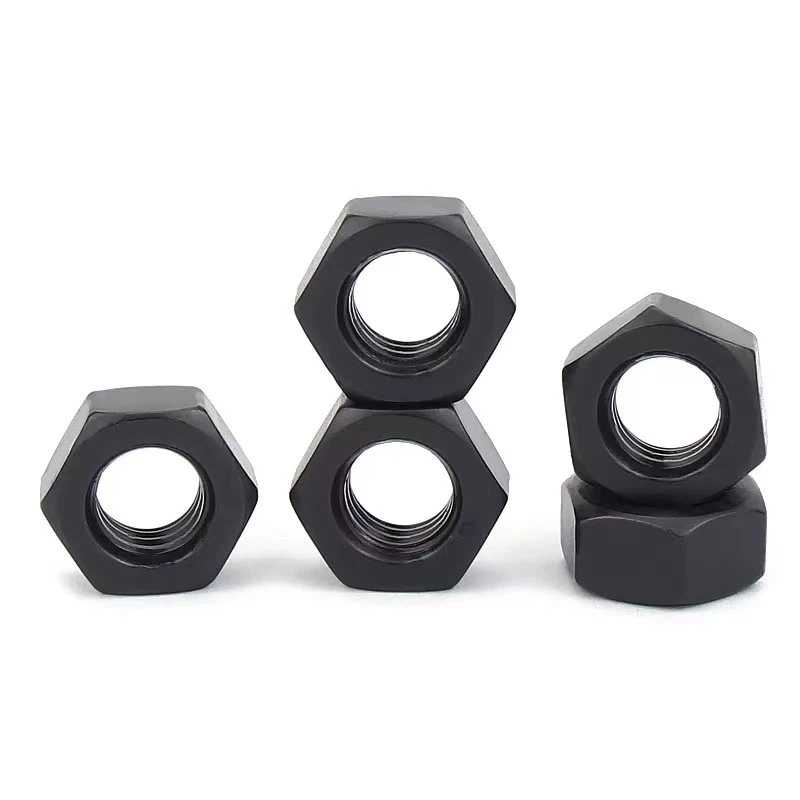

Another difference between hex nuts and wing nuts is their appearance. Hex nuts have a more traditional, industrial look, while wing nuts have a more unique and recognizable shape. Depending on the application, the appearance of the nut may also be a factor to consider. For example, if you're working on a project where aesthetics are important, you might choose a wing nut for its distinctive look.
In terms of materials, both hex nuts and wing nuts can be made from a variety of materials, including steel, stainless steel, brass, and nylon. The choice of material depends on the specific application and the environment in which the nut will be used. For example, stainless steel nuts are resistant to corrosion, making them suitable for outdoor or marine applications. Brass nuts are often used for their aesthetic appeal and electrical conductivity.
Let's also talk about the installation process. Installing a hex nut usually requires a wrench or a socket. You place the nut on the bolt and then use the tool to turn it clockwise until it's tight. This process ensures a secure and consistent fit. On the other hand, installing a wing nut is as simple as placing it on the bolt and turning the wings by hand until it's snug. However, as I mentioned earlier, the hand-tightening may not provide the same level of tightness as a hex nut tightened with a tool.
When it comes to cost, hex nuts are generally more affordable than wing nuts. This is because they're simpler in design and easier to manufacture. However, the cost can also vary depending on the material, size, and quantity you're purchasing.
So, in summary, the main differences between hex nuts and wing nuts are:
- Ease of use: Hex nuts require a tool for installation, while wing nuts can be tightened and loosened by hand.
- Torque and tightness: Hex nuts provide more torque and a tighter fit when tightened with a tool, while wing nuts may not be as tight when tightened by hand.
- Appearance: Hex nuts have a traditional look, while wing nuts have a unique, recognizable shape.
- Applications: Hex nuts are used in a wide range of applications where a secure fit is required, while wing nuts are ideal for applications where quick adjustments are needed.
- Cost: Hex nuts are generally more affordable than wing nuts.
If you're still not sure which type of nut is right for your project, I'm here to help. As a hex nut supplier, I have a lot of experience and knowledge about different types of nuts and their applications. I can provide you with more detailed information and advice to help you make the best choice.
Whether you need hex nuts for a large construction project or wing nuts for a small DIY job, I can offer you high-quality products at competitive prices. If you're interested in purchasing hex nuts or have any questions about our products, don't hesitate to get in touch. We're always happy to discuss your requirements and help you find the right solution for your needs.
In conclusion, understanding the differences between hex nuts and wing nuts is important for choosing the right fastener for your project. By considering factors like ease of use, torque, appearance, applications, and cost, you can make an informed decision. And if you need any assistance, I'm just a message away.
References:
- Fastener Handbook, various editions
- Industry standards for nuts and bolts