

What is the corrosion resistance of hex nuts?
Sep 12, 2025
Leave a message
Hey there! As a hex nut supplier, I often get asked about the corrosion resistance of hex nuts. It's a crucial topic, especially when you're looking for reliable fasteners that can stand the test of time. So, let's dive right in and explore what makes hex nuts resistant to corrosion.
First off, let's understand what corrosion is. Corrosion is basically the deterioration of a material, usually a metal, due to a chemical reaction with its environment. For hex nuts, this can mean rusting or other forms of degradation that can weaken the nut and affect its performance. In industries like construction, automotive, and marine, where hex nuts are widely used, corrosion can be a real headache.
Now, the corrosion resistance of hex nuts depends on several factors. One of the most important is the material they're made from. Different materials have different levels of resistance to corrosion.
Stainless Steel Hex Nuts
Stainless steel is a popular choice for hex nuts when corrosion resistance is a priority. It contains chromium, which forms a thin, protective oxide layer on the surface of the nut. This layer acts as a barrier, preventing oxygen and moisture from reaching the metal underneath and causing corrosion.
Stainless steel hex nuts come in different grades, such as 304 and 316. Grade 304 is a common and cost - effective option, suitable for many general applications. It offers good resistance to most mild environments. On the other hand, grade 316 is more corrosion - resistant, especially in harsh environments like coastal areas where there's a lot of salt in the air. If you're in the market for high - quality stainless steel hex nuts, you can check out our Heavy Hex Nut which is made to withstand tough conditions.
Galvanized Hex Nuts
Galvanizing is a process where a layer of zinc is applied to the surface of the hex nut. Zinc is more reactive than the base metal (usually steel), so when exposed to the environment, the zinc corrodes first, sacrificing itself to protect the underlying metal.
There are different types of galvanized hex nuts. For example, our 1 2 Galvanized Hex Nut is coated with a layer of zinc to provide an extra level of protection. Hot - dip galvanizing is a common method, which involves dipping the nuts in molten zinc. This creates a thick and durable zinc coating that can last for a long time, even in moderately corrosive environments. However, over time, the zinc coating can wear off, especially in very harsh conditions, so it's important to consider the application when choosing galvanized hex nuts.
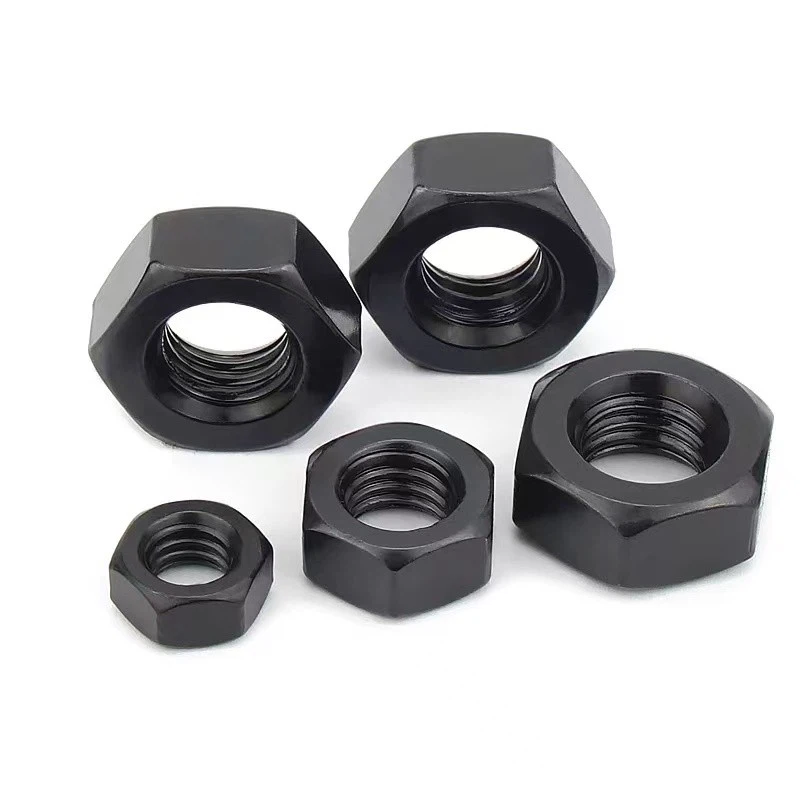

Brass Hex Nuts
Brass is an alloy of copper and zinc, and it also has good corrosion resistance. Brass hex nuts are often used in applications where a combination of corrosion resistance and good electrical conductivity is required, such as in electrical installations.
Brass has a natural patina that forms on its surface when exposed to the environment. This patina not only gives brass a unique appearance but also helps to protect the metal from further corrosion. Our 16 Hex Nut in brass is a great option for those looking for a corrosion - resistant and aesthetically pleasing fastener.
Other Factors Affecting Corrosion Resistance
Apart from the material, the environment in which the hex nuts are used also plays a huge role. For example, in a humid environment, there's more moisture in the air, which can accelerate the corrosion process. In industrial areas, there may be pollutants in the air that can react with the metal and cause corrosion.
The surface finish of the hex nut can also affect its corrosion resistance. A smooth surface is less likely to trap moisture and dirt, which can reduce the risk of corrosion. Additionally, proper installation can prevent the formation of crevices where moisture can accumulate and cause corrosion.
Testing and Quality Assurance
At our company, we take corrosion resistance seriously. We conduct various tests on our hex nuts to ensure they meet the required standards. Salt spray tests are a common method, where the nuts are exposed to a salt - water mist for a certain period of time. This simulates a harsh coastal environment and helps us evaluate how well the nuts resist corrosion.
We also perform visual inspections and measure the thickness of coatings on galvanized and other coated nuts. This way, we can guarantee that our customers are getting high - quality hex nuts that will last.
Choosing the Right Hex Nut for Your Application
When choosing hex nuts, you need to consider the specific requirements of your application. If you're working in a mild environment, like an indoor construction project, regular galvanized or stainless steel grade 304 hex nuts may be sufficient. But if you're in a harsh environment, such as a chemical plant or a marine setting, you may want to opt for stainless steel grade 316 or other highly corrosion - resistant materials.
It's also important to consider the size and strength of the hex nut. You need to make sure the nut can handle the load and stress it will be subjected to in your application.
Conclusion
In conclusion, the corrosion resistance of hex nuts is a complex but important topic. The material, environment, and surface finish all play a role in determining how well a hex nut can resist corrosion. As a hex nut supplier, we're committed to providing high - quality products that meet the diverse needs of our customers.
If you're in the market for hex nuts and want to discuss your specific requirements, feel free to reach out. We're here to help you choose the right hex nuts for your project and ensure they perform well in the long run. Whether you need Heavy Hex Nut, 1 2 Galvanized Hex Nut, or 16 Hex Nut, we've got you covered.
References
- Metals Handbook: Corrosion, American Society for Metals
- Corrosion Basics: An Introduction, NACE International