

What are the uses of a flange nut?
Nov 27, 2025
Leave a message
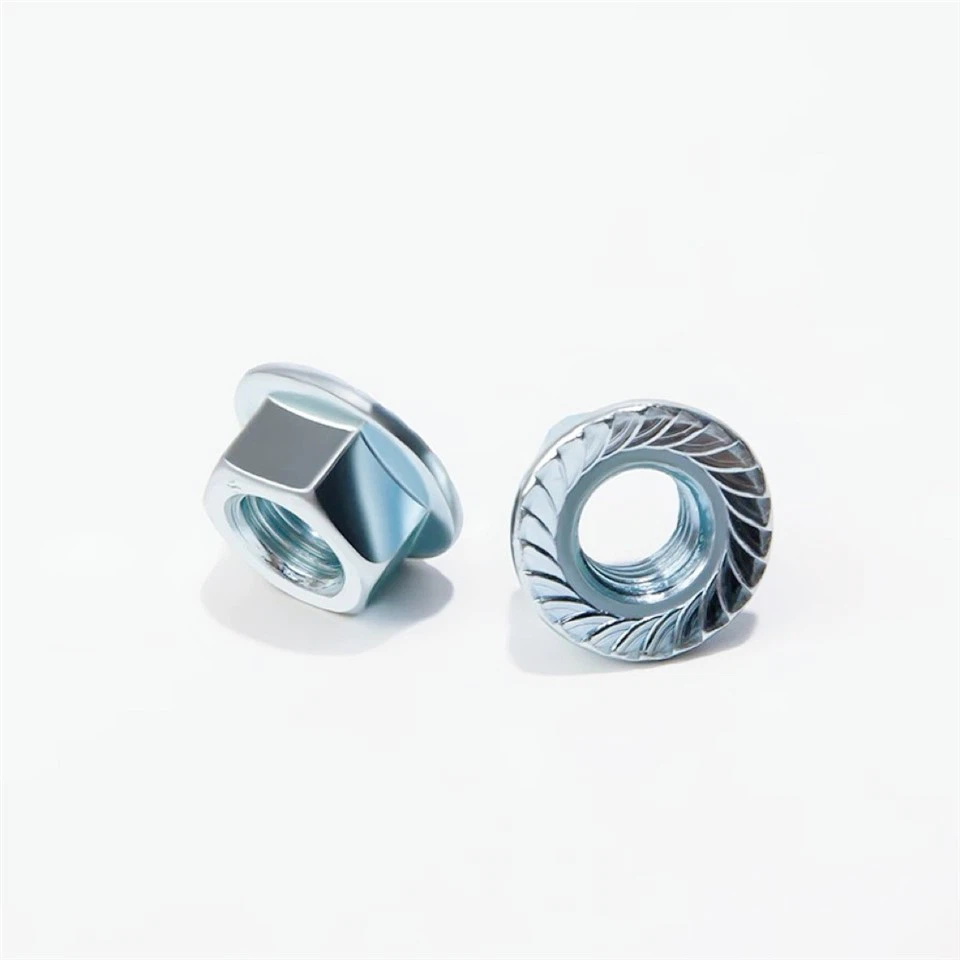
A flange nut is a type of nut with a wide flange at one end that acts as an integrated washer. This flange distributes the pressure of the nut over a larger area, reducing the risk of damage to the surface being fastened and providing a more secure hold. As a flange nut supplier, I've seen firsthand the diverse applications and benefits of these nuts in various industries. In this blog, I'll explore the many uses of flange nuts and why they are a preferred choice in many fastening scenarios.
Automotive Industry
In the automotive industry, flange nuts are widely used due to their ability to provide a reliable and vibration-resistant connection. They are commonly found in engine components, suspension systems, and brake assemblies. For example, in the engine, flange nuts are used to secure the cylinder head, ensuring a tight seal and preventing leaks. In the suspension system, they are used to fasten the shock absorbers and control arms, providing stability and reducing the risk of loose connections due to vibrations.
The Hex Flange Lock Nut is particularly popular in the automotive industry. Its hexagonal shape allows for easy installation with a standard wrench, and the locking feature helps to prevent the nut from loosening over time. This is crucial in automotive applications where safety and reliability are of utmost importance.

Construction Industry
In the construction industry, flange nuts are used in a variety of applications, from building structures to plumbing systems. They are often used to fasten steel beams, columns, and other structural components. The wide flange of the nut distributes the load evenly, reducing the stress on the connected parts and preventing them from pulling out or breaking.
For example, in a steel-framed building, flange nuts are used to connect the beams and columns together. The DIN6923 Flange Nut is a common choice in construction due to its standardized dimensions and high-quality materials. It is designed to meet the strict requirements of the construction industry, providing a strong and reliable connection.
In plumbing systems, flange nuts are used to connect pipes and fittings. They are often used in conjunction with rubber gaskets to create a watertight seal. The flange of the nut helps to compress the gasket, ensuring a leak-free connection. This is essential in plumbing applications where water damage can be costly and disruptive.
Machinery and Equipment Manufacturing
In the machinery and equipment manufacturing industry, flange nuts are used to assemble various components of machines and equipment. They are used in everything from small hand tools to large industrial machinery. The ability of flange nuts to provide a secure and stable connection is crucial in ensuring the proper functioning of these machines.
For example, in a lathe machine, flange nuts are used to secure the cutting tools and other components. The 16 Flange Nut is a popular choice in machinery manufacturing due to its size and strength. It can withstand the high forces and vibrations generated by the machine, ensuring a reliable connection.
In addition to providing a secure connection, flange nuts can also help to reduce noise and vibration in machinery. The wide flange of the nut acts as a damping element, absorbing some of the vibrations and reducing the noise level. This is beneficial in industrial environments where noise pollution can be a problem.
Electrical and Electronics Industry
In the electrical and electronics industry, flange nuts are used to secure electrical components and wiring. They are often used in conjunction with washers and insulating materials to prevent electrical shorts and ensure proper grounding.
For example, in a circuit breaker panel, flange nuts are used to connect the bus bars and other electrical components. The wide flange of the nut helps to distribute the pressure evenly, preventing damage to the electrical contacts. This is crucial in electrical applications where a loose connection can lead to overheating, fires, and other safety hazards.
In the electronics industry, flange nuts are used to assemble printed circuit boards (PCBs) and other electronic devices. They are often used in small, precision applications where a secure and stable connection is required. The ability of flange nuts to provide a reliable connection without damaging the delicate components is essential in these applications.
Marine Industry
In the marine industry, flange nuts are used in a variety of applications, from boat building to offshore oil and gas platforms. They are exposed to harsh environmental conditions, including saltwater, high humidity, and extreme temperatures. Therefore, flange nuts used in the marine industry must be made of corrosion-resistant materials, such as stainless steel or brass.
For example, in a boat, flange nuts are used to secure the engine, propeller, and other components. The Hex Flange Lock Nut is a popular choice in the marine industry due to its corrosion resistance and locking feature. It can withstand the harsh marine environment and prevent the nut from loosening due to vibrations and waves.
In offshore oil and gas platforms, flange nuts are used to connect pipes, valves, and other equipment. The DIN6923 Flange Nut is commonly used in these applications due to its high strength and corrosion resistance. It is designed to meet the strict requirements of the marine industry, providing a reliable connection in harsh conditions.
Advantages of Using Flange Nuts
- Increased Load Distribution: The wide flange of the nut distributes the load over a larger area, reducing the stress on the connected parts and preventing them from pulling out or breaking.
- Vibration Resistance: The flange of the nut acts as a damping element, absorbing some of the vibrations and reducing the risk of the nut loosening over time.
- Corrosion Resistance: Flange nuts can be made of corrosion-resistant materials, such as stainless steel or brass, making them suitable for use in harsh environments.
- Easy Installation: Flange nuts can be installed using a standard wrench, making them easy to use in a variety of applications.
- Cost-Effective: Flange nuts are a cost-effective solution for many fastening applications, providing a reliable connection at a reasonable price.
Conclusion
As a flange nut supplier, I've seen the many benefits and uses of flange nuts in various industries. From automotive and construction to machinery and electronics, flange nuts play a crucial role in ensuring the safety, reliability, and performance of a wide range of products and systems. Whether you're looking for a vibration-resistant connection, a corrosion-resistant solution, or a cost-effective fastening option, flange nuts are a great choice.
If you're interested in purchasing flange nuts for your project or application, I encourage you to contact me for more information. I can provide you with detailed product specifications, pricing, and delivery options. Let's work together to find the right flange nuts for your needs.
References
- "Mechanical Fasteners Handbook" by Peter H. N. Childs
- "Fastening Technology Handbook" by Karl-Heinz Küttner
- Industry standards and specifications related to flange nuts