

How to test the strength of a hex nut?
Nov 04, 2025
Leave a message
As a hex nut supplier, I often get asked about how to test the strength of a hex nut. It's a crucial question, especially when you're looking to ensure the quality and reliability of the nuts you're using or supplying. In this blog, I'll walk you through the different methods to test the strength of a hex nut, sharing some insights based on my experience in the industry.
Why Testing Hex Nut Strength Matters
Before we dive into the testing methods, let's talk about why it's so important to test the strength of hex nuts. Hex nuts are used in a wide range of applications, from construction and automotive to machinery and electronics. In these applications, the nuts need to withstand various forces, such as tension, compression, and shear. If a hex nut fails due to insufficient strength, it can lead to serious consequences, like equipment breakdown, structural failure, or even accidents. So, testing the strength of hex nuts is essential to guarantee the safety and performance of the products they're used in.
Visual Inspection
The first step in testing a hex nut's strength is a simple visual inspection. This might not directly measure the strength, but it can give you a good idea of the nut's quality. Look for any visible defects, like cracks, dents, or uneven surfaces. Cracks, in particular, can significantly weaken a nut and make it more likely to fail under stress. Also, check the threads. They should be clean, well - formed, and free of any damage. If the threads are damaged, the nut might not be able to grip properly, reducing its overall strength.
Hardness Testing
Hardness is an important factor in determining the strength of a hex nut. A harder nut is generally more resistant to deformation and wear. There are several methods for hardness testing, but one of the most common is the Rockwell hardness test. In this test, a small indenter is pressed into the surface of the nut with a specific amount of force. The depth of the indentation is then measured, and this measurement is used to determine the hardness of the nut.
Another method is the Brinell hardness test. It uses a larger indenter and a higher force compared to the Rockwell test. The diameter of the indentation left on the nut's surface is measured, and from that, the hardness value is calculated.
If you don't have the equipment to perform these tests yourself, you can send your nuts to a professional testing laboratory. They have the necessary tools and expertise to accurately measure the hardness of your hex nuts.
Tensile Testing
Tensile testing is one of the most direct ways to measure the strength of a hex nut. In this test, a nut is placed in a testing machine, and a pulling force is applied until the nut fails. The maximum force the nut can withstand before breaking is called the ultimate tensile strength.
To perform a tensile test, you'll need a tensile testing machine. The nut is usually threaded onto a bolt, and the bolt is then clamped into the testing machine. The machine gradually applies a pulling force, and sensors measure the force and the amount of deformation.
During the test, it's important to ensure that the nut is properly aligned and that the force is applied evenly. Otherwise, the results might not be accurate. Tensile testing can give you a clear picture of how well a hex nut will perform under tension, which is a common type of force in many applications.
Shear Testing
Shear testing is used to measure a hex nut's ability to withstand forces that act parallel to its cross - section. In a shear test, a nut is placed between two plates, and a force is applied to one plate while the other is held stationary. This creates a shearing force on the nut.
The test continues until the nut fails, and the maximum shear force it can withstand is recorded. Shear testing is important in applications where the nut is subjected to side - ways forces, such as in some types of machinery or structural connections.
Compression Testing
Compression testing is used to determine how well a hex nut can withstand forces that push it together. In this test, a nut is placed between two flat plates in a compression testing machine. The machine then applies a compressive force to the nut, gradually increasing the pressure until the nut deforms or fails.
The maximum compressive force the nut can handle is an important indicator of its strength, especially in applications where the nut is used in a situation where it's being squeezed, like in some types of fasteners in heavy machinery.
Testing Different Types of Hex Nuts
We offer a variety of hex nuts, including 22mm Hex Nut, DIN934 Hex Nut, and Heavy Hex Nut. Each type of nut might have different strength requirements and testing methods.
For example, heavy hex nuts are generally thicker and stronger than standard hex nuts. They're designed to handle higher loads, so they might require more rigorous testing. The 22mm hex nut, on the other hand, has a specific size that needs to be considered during testing to ensure proper fit and performance. DIN934 hex nuts follow a specific standard, and their strength testing should be in line with the requirements of that standard.
Conclusion
Testing the strength of hex nuts is a multi - step process that involves visual inspection, hardness testing, and various mechanical tests like tensile, shear, and compression testing. By performing these tests, you can ensure that the hex nuts you're using or supplying meet the necessary quality and strength standards.

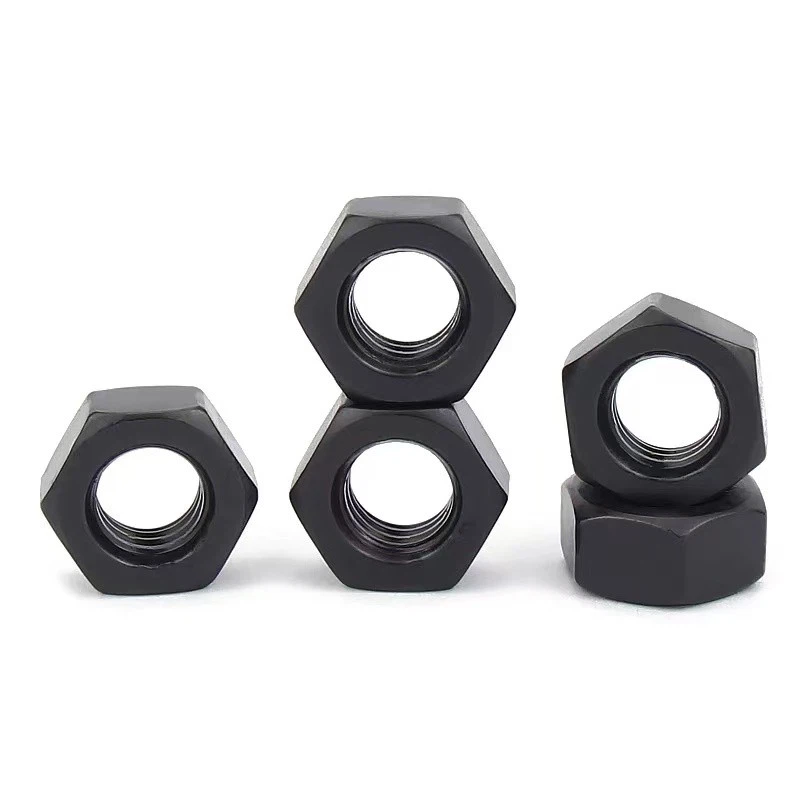
If you're in the market for high - quality hex nuts and want to learn more about our products or have any questions about strength testing, feel free to reach out. We're here to help you make the right choice for your applications. Whether you need 22mm Hex Nut, DIN934 Hex Nut, or Heavy Hex Nut, we've got you covered. Contact us to start a procurement discussion and find the best hex nuts for your needs.
References
- Machinery's Handbook, 31st Edition
- ASTM Standards for Fasteners
- ISO Standards for Nuts and Bolts