

How to prevent rust on UNC American Hex Bolts?
Oct 13, 2025
Leave a message
Rust is a common and persistent problem that can significantly affect the performance and lifespan of UNC American Hex Bolts. As a reliable supplier of UNC American Hex Bolts, I understand the importance of preventing rust to ensure the quality and durability of these essential fasteners. In this blog, I will share some effective strategies on how to prevent rust on UNC American Hex Bolts.
Understanding the Causes of Rust
Before delving into prevention methods, it's crucial to understand what causes rust. Rust is a form of corrosion that occurs when iron or steel (the primary materials of UNC American Hex Bolts) reacts with oxygen and water. This chemical reaction forms iron oxide, which is commonly known as rust. Factors such as humidity, exposure to saltwater, and industrial pollutants can accelerate the rusting process.
Selecting the Right Materials
One of the most fundamental ways to prevent rust is to choose the appropriate materials for UNC American Hex Bolts. Stainless steel is an excellent option as it contains chromium, which forms a protective oxide layer on the surface of the bolt. This layer prevents oxygen and water from reaching the underlying metal, thus inhibiting rust formation. For example, 304 and 316 stainless steel are widely used in applications where corrosion resistance is required.
Another option is galvanized steel. Galvanization involves coating the bolt with a layer of zinc. Zinc is more reactive than iron, so when the bolt is exposed to oxygen and water, the zinc corrodes first, protecting the underlying steel. Galvanized bolts are suitable for outdoor and marine applications.
Applying Protective Coatings
In addition to using rust - resistant materials, applying protective coatings can further enhance the rust - prevention capabilities of UNC American Hex Bolts.
Paint Coatings
Paint can act as a physical barrier between the bolt and the environment. There are various types of paints available, such as epoxy paints and polyurethane paints. Epoxy paints offer excellent adhesion and chemical resistance, while polyurethane paints provide good weatherability. When applying paint, it's important to ensure that the surface of the bolt is clean and free of dirt, oil, and rust. A primer can be applied first to improve the adhesion of the paint.
Oil and Grease Coatings
Oil and grease can also be used to protect bolts from rust. They create a thin film on the surface of the bolt, preventing moisture from coming into contact with the metal. For example, machine oil or anti - rust grease can be applied to the bolts. However, these coatings may need to be reapplied periodically, especially in harsh environments.
Proper Storage
Proper storage is essential for preventing rust on UNC American Hex Bolts. Bolts should be stored in a dry and well - ventilated area. Humidity can accelerate the rusting process, so it's advisable to keep the storage area at a relative humidity below 50%.
If possible, store the bolts in sealed containers or bags. This can prevent dust, moisture, and other contaminants from reaching the bolts. Desiccants can be placed inside the containers to absorb any moisture.
Handling and Installation
During handling and installation, it's important to take precautions to prevent damage to the protective coatings of the bolts. Scratches or abrasions on the surface of the bolt can expose the underlying metal to oxygen and water, leading to rust formation.
Use appropriate tools when installing the bolts. Avoid using tools that are too large or too small, as this can cause damage to the bolt. After installation, check the bolts regularly for any signs of damage or rust. If any damage is found, take appropriate measures to repair or replace the bolts.
Regular Inspection and Maintenance
Regular inspection and maintenance are crucial for ensuring the long - term performance of UNC American Hex Bolts. Inspect the bolts periodically for any signs of rust, such as discoloration or flaking. If rust is detected, it should be removed immediately.
There are several methods for removing rust. For light rust, a wire brush or sandpaper can be used to scrub the rust off the surface of the bolt. For more severe rust, chemical rust removers can be used. After removing the rust, apply a new protective coating to the bolt to prevent further rusting.

Case Studies
Let's take a look at some real - world examples of how these rust - prevention methods have been applied successfully.
In a construction project near the coast, where the environment is highly corrosive due to the presence of saltwater and high humidity, galvanized UNC American Hex Bolts were used. These bolts were also coated with a layer of epoxy paint for additional protection. After several years of use, the bolts showed minimal signs of rust, ensuring the structural integrity of the building.
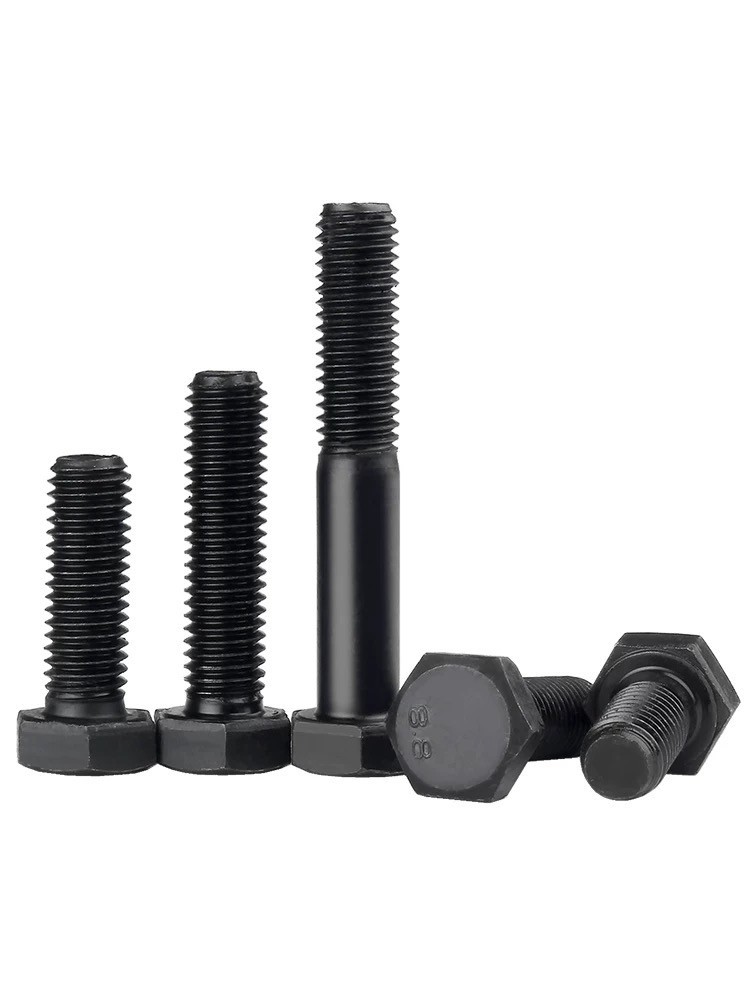
In a manufacturing plant, stainless steel 8.8 Grade Hex Bolt [/bolt/outer - hexagon - bolt/8 - 8 - grade - hex - bolt.html] were used in equipment that was exposed to various chemicals. These bolts did not require any additional coatings as the stainless steel itself provided sufficient corrosion resistance. Regular inspections were carried out, and the bolts remained in good condition over a long period.
Conclusion
Preventing rust on UNC American Hex Bolts is a multi - faceted process that involves selecting the right materials, applying protective coatings, proper storage, careful handling and installation, and regular inspection and maintenance. By implementing these strategies, you can ensure the quality and durability of the bolts, reducing the need for frequent replacements and minimizing the risk of structural failures.
As a supplier of UNC American Hex Bolts, I am committed to providing high - quality products and sharing valuable knowledge with my customers. If you are interested in purchasing UNC American Hex Bolts or have any questions about rust prevention, please feel free to contact me for further discussion and procurement negotiations. We can work together to find the best solutions for your specific needs.
References
- ASM Handbook Volume 13A: Corrosion: Fundamentals, Testing, and Protection. ASM International.
- "Corrosion Control in the Oil and Gas Industry" by Pierre R. Roberge.
- "Handbook of Corrosion Engineering" by Yutaka Sato.