

How to improve the impact resistance of outer hexagon bolts?
Aug 06, 2026
Leave a message
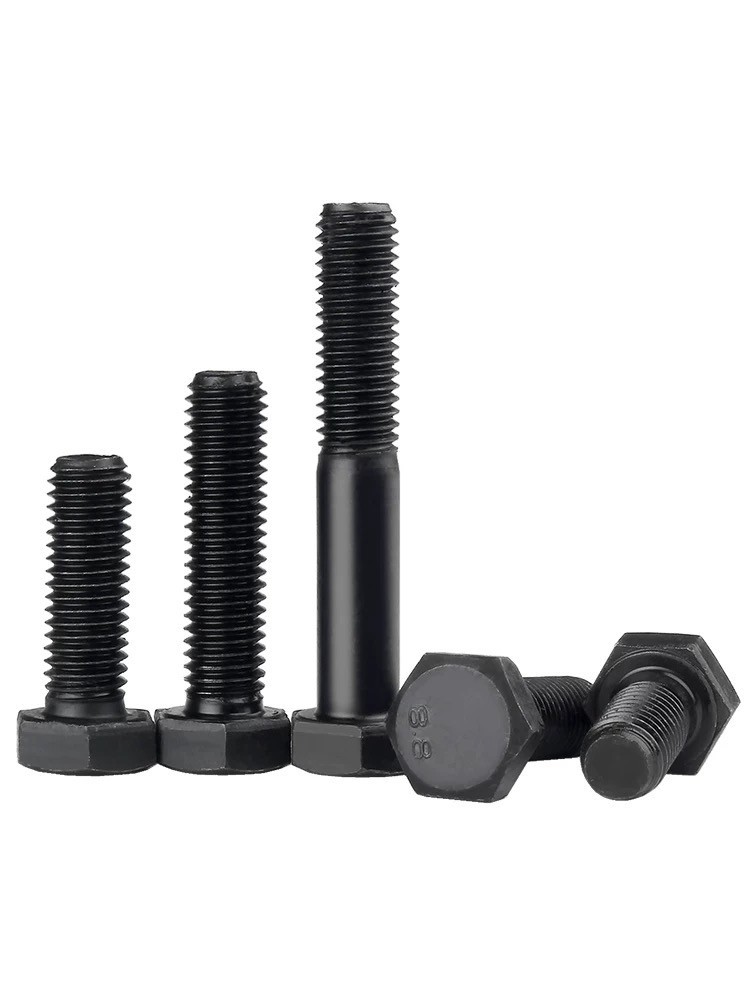
Hey there! As a supplier of outer hexagon bolts, I've seen firsthand the importance of these little guys in all sorts of industries. Outer hexagon bolts are everywhere – from construction sites to machinery manufacturing. One of the key qualities we always aim for is high impact resistance. Why? Well, bolts with good impact resistance can better withstand sudden loads and vibrations, which means a longer lifespan and fewer maintenance headaches for our customers. So, let's dive into how we can improve the impact resistance of outer hexagon bolts.
Material Selection
The first step in enhancing impact resistance starts with the material. Different materials have different properties, and choosing the right one is crucial.
Steel Alloys
Steel is a go - to material for outer hexagon bolts. Alloy steels, in particular, offer great potential for improving impact resistance. For example, adding elements like nickel, chromium, and molybdenum can significantly enhance the toughness of the steel. Nickel helps to increase the ductility of the steel, allowing it to deform without breaking under impact. Chromium improves the corrosion resistance as well as the strength of the steel. Molybdenum enhances the hardenability and the overall strength of the alloy.
We offer DIN933 Full Tooth External Hex Bolt in various steel alloys. These bolts are made to meet different requirements for impact resistance. Whether you need a bolt for a high - stress environment or a more general - purpose application, our alloy - steel DIN933 bolts can be a great choice.
Stainless Steel
Stainless steel is another option. It not only provides good corrosion resistance but also has decent impact resistance. Austenitic stainless steels, such as 304 and 316, are commonly used for outer hexagon bolts. They have a face - centered cubic crystal structure, which gives them good ductility and toughness. This means they can absorb a certain amount of impact energy before failing. Our DIN931 Hex Bolt is available in stainless steel, which is suitable for applications where both corrosion resistance and impact resistance are needed, like in marine or outdoor environments.
Heat Treatment
Heat treatment is a powerful tool to improve the impact resistance of outer hexagon bolts.
Quenching and Tempering
Quenching and tempering is a common heat - treatment process. First, the bolt is heated to a high temperature and then rapidly cooled (quenched) in a cooling medium, such as oil or water. This process forms a hard martensitic structure in the steel. However, martensite is very brittle, so tempering is done immediately after quenching. Tempering involves reheating the bolt to a lower temperature and holding it there for a certain period. This reduces the brittleness of the martensite and improves the toughness and impact resistance of the bolt.
We ensure that our GB5783 Hex Bolt undergoes proper quenching and tempering processes. This helps to optimize the balance between strength and impact resistance, making them reliable in a wide range of applications.
Normalizing
Normalizing is another heat - treatment method. The bolt is heated to a temperature above the critical range and then cooled in air. This process refines the grain structure of the steel, which can improve the mechanical properties, including impact resistance. Normalized bolts tend to have a more uniform structure, which helps them to better withstand impact loads.
Surface Treatment
Surface treatment not only protects the bolt from corrosion but can also have an impact on its impact resistance.
Galvanizing
Galvanizing is a popular surface - treatment method. A layer of zinc is applied to the surface of the bolt, which acts as a sacrificial anode. Zinc corrodes preferentially to the steel, protecting the bolt from rust. In terms of impact resistance, the zinc layer can also absorb some of the impact energy. It can act as a buffer, reducing the stress concentration on the surface of the bolt and preventing crack initiation.
Black Oxide Coating
Black oxide coating is another option. It provides a thin, protective layer on the surface of the bolt. This coating can improve the wear resistance and also has some anti - corrosion properties. While it may not have as significant an impact on impact resistance as galvanizing, it can still contribute to the overall durability of the bolt.
Design Optimization
The design of the outer hexagon bolt itself can also play a role in improving its impact resistance.
Thread Design
The thread design is crucial. A well - designed thread can distribute the load more evenly along the bolt. For example, a fine - pitch thread can provide better load - distribution characteristics compared to a coarse - pitch thread. This is because the smaller pitch allows for more contact points between the bolt and the nut, reducing the stress concentration at each point.
Head Design
The head of the outer hexagon bolt also matters. A properly shaped head can ensure that the bolt is tightened correctly and that the load is transferred smoothly. For example, a chamfered edge on the head can prevent stress concentration at the corners, which can lead to crack initiation under impact.
Quality Control
Last but not least, quality control is essential to ensure that the outer hexagon bolts have the desired impact resistance.
Non - Destructive Testing
We use non - destructive testing methods, such as ultrasonic testing and magnetic particle testing. Ultrasonic testing can detect internal flaws in the bolt, such as cracks or inclusions. Magnetic particle testing is used to detect surface and near - surface defects. By identifying these flaws early, we can reject the defective bolts and ensure that only high - quality bolts reach our customers.
Tensile and Impact Testing
Tensile testing and impact testing are also carried out regularly. Tensile testing measures the strength of the bolt, while impact testing, such as the Charpy V - notch test, evaluates the impact resistance. These tests help us to monitor the quality of our production process and make necessary adjustments to improve the impact resistance of our bolts.
In conclusion, improving the impact resistance of outer hexagon bolts is a multi - faceted process. It involves careful material selection, proper heat treatment, effective surface treatment, smart design optimization, and strict quality control. As a supplier, we are committed to providing our customers with high - quality outer hexagon bolts that can meet their specific requirements for impact resistance.
If you're in the market for outer hexagon bolts with excellent impact resistance, don't hesitate to get in touch with us for procurement and further discussions. We're here to help you find the perfect bolts for your projects.

References
- "Mechanical Properties of Metals" by ASM International
- "Heat Treatment of Steel" by L. C. Smith
- "Fastener Design Manual" by Industrial Fasteners Institute