

How to ensure the uniform distribution of load on double head bolts?
Jul 02, 2026
Leave a message
As a seasoned supplier of double head bolts, I've witnessed firsthand the critical role that uniform load distribution plays in the performance and longevity of these essential fasteners. In this blog post, I'll share some valuable insights and practical tips on how to ensure the uniform distribution of load on double head bolts, drawing on my years of experience in the industry.
Understanding the Importance of Uniform Load Distribution
Before delving into the strategies for achieving uniform load distribution, it's crucial to understand why it matters. Double head bolts are commonly used in a wide range of applications, from automotive engines and machinery to construction and aerospace. In these applications, they are subjected to significant loads and forces, which can cause stress and fatigue over time. If the load is not evenly distributed across the bolt, it can lead to premature failure, reduced performance, and even safety hazards.
Uniform load distribution helps to minimize stress concentrations and ensure that the bolt can withstand the applied loads without exceeding its design limits. This not only improves the reliability and durability of the bolt but also enhances the overall performance and safety of the system in which it is used.
Factors Affecting Load Distribution
Several factors can influence the distribution of load on double head bolts. Understanding these factors is essential for implementing effective strategies to ensure uniform load distribution. Here are some of the key factors to consider:
Bolt Design
The design of the double head bolt itself can have a significant impact on load distribution. Factors such as the thread profile, pitch, and diameter can affect how the bolt engages with the mating parts and distributes the load. For example, a coarse thread pitch may result in a more concentrated load distribution, while a fine thread pitch can provide a more even distribution.
Material Properties
The material properties of the bolt, including its strength, hardness, and ductility, can also influence load distribution. A bolt made from a high-strength material may be able to withstand higher loads, but it may also be more prone to stress concentrations if the load is not evenly distributed. On the other hand, a more ductile material may be able to deform slightly under load, helping to distribute the load more evenly.
Installation Torque
The installation torque applied to the double head bolt is another critical factor in load distribution. Over-tightening or under-tightening the bolt can lead to uneven load distribution and potential failure. It's important to follow the manufacturer's recommended torque specifications and use a calibrated torque wrench to ensure accurate installation.
Mating Surface Conditions
The condition of the mating surfaces, such as the flatness, roughness, and cleanliness, can also affect load distribution. A rough or uneven mating surface can cause the bolt to seat unevenly, resulting in stress concentrations and reduced load distribution. It's important to ensure that the mating surfaces are clean, flat, and free from debris before installing the bolt.
Strategies for Ensuring Uniform Load Distribution
Now that we've discussed the factors affecting load distribution, let's explore some strategies for ensuring uniform load distribution on double head bolts.
Select the Right Bolt Design
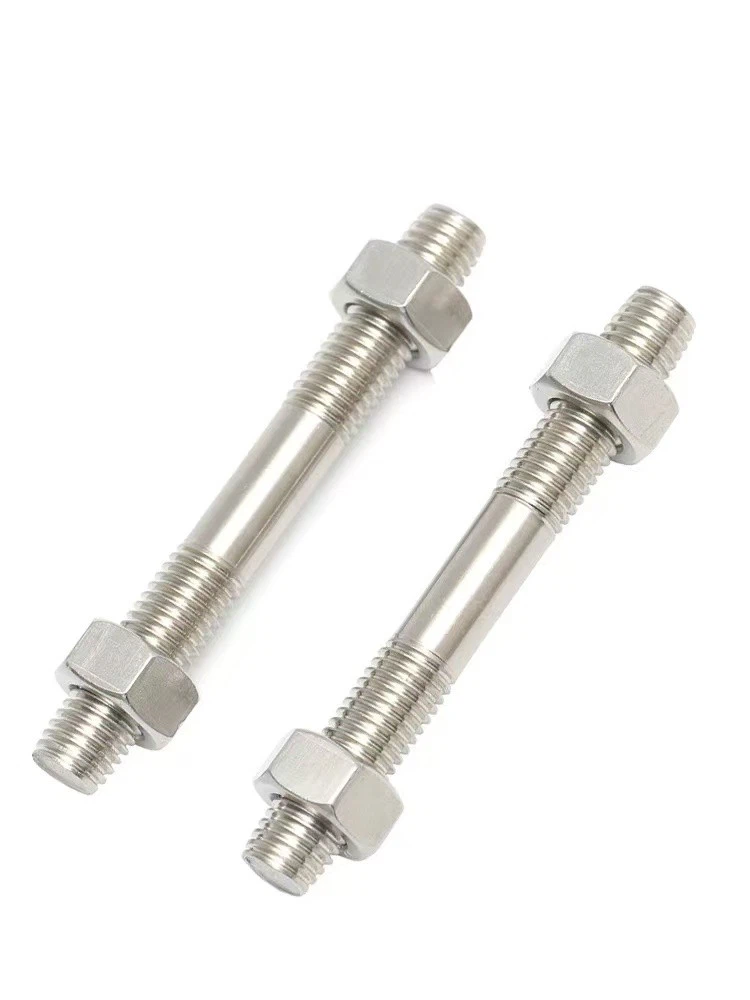
Choosing the right bolt design is crucial for achieving uniform load distribution. Consider the specific application requirements, such as the load magnitude, frequency, and direction, when selecting a bolt. Look for bolts with a thread profile and pitch that are suitable for the application and provide a more even load distribution. For example, DIN2510 Double-headed Bolt is a popular choice for many applications due to its reliable design and uniform load distribution characteristics.
Use High-Quality Materials
Using high-quality materials is essential for ensuring the strength and durability of the double head bolt. Look for bolts made from materials with good mechanical properties, such as high strength, hardness, and ductility. Consider using bolts with special coatings or treatments, such as Dacromet Double-head Bolt, which can provide additional corrosion resistance and improve load distribution.
Follow Proper Installation Procedures
Proper installation procedures are critical for achieving uniform load distribution. Follow the manufacturer's recommended torque specifications and use a calibrated torque wrench to ensure accurate installation. Make sure to clean and lubricate the threads before installation to reduce friction and ensure a more even load distribution. Additionally, use washers or other load-distributing devices as recommended to help distribute the load more evenly across the bolt.
Inspect and Maintain the Bolts Regularly
Regular inspection and maintenance of the double head bolts are essential for ensuring their continued performance and reliability. Check the bolts for signs of wear, damage, or corrosion, and replace any bolts that show signs of deterioration. Make sure to also check the mating surfaces for any signs of damage or wear and repair or replace them as needed.
Consider Using Load Monitoring Devices
In some applications, it may be beneficial to use load monitoring devices to ensure uniform load distribution. These devices can provide real-time information about the load on the bolt, allowing you to detect any potential issues before they become serious problems. Load monitoring devices can be particularly useful in applications where the load is variable or where the bolt is subjected to high stress.
Conclusion
Ensuring the uniform distribution of load on double head bolts is essential for their performance, reliability, and safety. By understanding the factors affecting load distribution and implementing effective strategies, you can minimize stress concentrations and ensure that the bolts can withstand the applied loads without premature failure. As a double head bolt supplier, I'm committed to providing high-quality products and expert advice to help you achieve optimal load distribution in your applications.
If you have any questions or need further assistance with double head bolts or load distribution, please don't hesitate to contact us for more information. We'd be happy to discuss your specific requirements and provide you with the best solutions for your needs.

References
- "Mechanical Engineering Design" by Joseph E. Shigley and Charles R. Mischke
- "Fastener Technology Handbook" by H. Arthur Rothbart
- "Bolts and Bolted Joints" by James A. Collins