

How to ensure the proper alignment of UNC American Hex Bolts during installation?
Aug 19, 2025
Leave a message
Hey there! As a supplier of UNC American Hex Bolts, I've seen firsthand how crucial it is to ensure proper alignment during installation. Misaligned bolts can lead to a whole host of problems, from reduced structural integrity to premature wear and tear. In this blog post, I'll share some tips and tricks on how to make sure your UNC American Hex Bolts are installed correctly every time.
Understanding the Basics of UNC American Hex Bolts
Before we dive into the alignment process, let's take a quick look at what makes UNC American Hex Bolts unique. UNC stands for Unified National Coarse, which refers to the thread pitch of the bolt. These bolts are commonly used in a variety of applications, from automotive and machinery to construction and furniture.
The hex head on these bolts provides a convenient way to grip and turn them using a wrench or socket. This makes them easy to install and remove, even in tight spaces. However, it's important to use the correct size wrench or socket to avoid damaging the bolt or stripping the threads.
Preparing for Installation
The first step in ensuring proper alignment is to prepare the installation site. This includes cleaning the surfaces where the bolt will be installed and removing any debris or rust. You should also check the holes in the materials to make sure they are the correct size and depth for the bolt.
If the holes are too small, the bolt may not fit properly or may require excessive force to install. This can cause the bolt to bend or break, or it can damage the threads. On the other hand, if the holes are too large, the bolt may not provide a secure connection and may loosen over time.
Once you've prepared the installation site, you can start aligning the bolt. This involves inserting the bolt through the holes in the materials and making sure it is straight and centered. You can use a straightedge or a level to check the alignment and make any necessary adjustments.
Using Alignment Tools
In some cases, it may be necessary to use alignment tools to ensure proper alignment. One common tool is a bolt alignment pin, which is a small rod that fits into the holes in the materials and helps to guide the bolt into place. These pins are available in a variety of sizes and can be used with different types of bolts.
Another tool that can be helpful is a bolt alignment sleeve, which is a tube that fits over the bolt and helps to keep it straight during installation. These sleeves are typically made of plastic or metal and can be reused multiple times.
Tightening the Bolt
Once the bolt is aligned, you can start tightening it. It's important to use the correct torque when tightening the bolt to ensure a secure connection. Over-tightening the bolt can cause it to break or damage the materials, while under-tightening can cause the bolt to loosen over time.
You can use a torque wrench to measure the torque and ensure that it is within the recommended range. The recommended torque will depend on the size and type of bolt, as well as the materials being used. You can find the recommended torque values in the manufacturer's specifications or in a torque chart.
Checking the Alignment Again
After tightening the bolt, it's a good idea to check the alignment again to make sure it hasn't shifted. You can use a straightedge or a level to check the alignment and make any necessary adjustments. If the bolt is still misaligned, you may need to loosen it and realign it before tightening it again.
Common Alignment Problems and Solutions
Even with the best preparation and alignment tools, problems can still occur during installation. Here are some common alignment problems and solutions:
- Bolt is crooked: If the bolt is crooked, you can try using a bolt alignment pin or sleeve to straighten it. If the bolt is still crooked after using these tools, you may need to remove it and start over.
- Bolt won't fit through the holes: If the bolt won't fit through the holes, you can try using a larger drill bit to enlarge the holes. However, be careful not to make the holes too large, as this can cause the bolt to loosen over time.
- Bolt is too long or too short: If the bolt is too long or too short, you may need to cut it to the correct length or use a different size bolt. Make sure to use the correct cutting tool and follow the manufacturer's instructions.
Conclusion
Ensuring proper alignment of UNC American Hex Bolts during installation is essential for a secure and reliable connection. By following these tips and tricks, you can make sure your bolts are installed correctly every time. If you have any questions or need further assistance, please don't hesitate to contact us. We're here to help you find the right bolts for your application and ensure a successful installation.

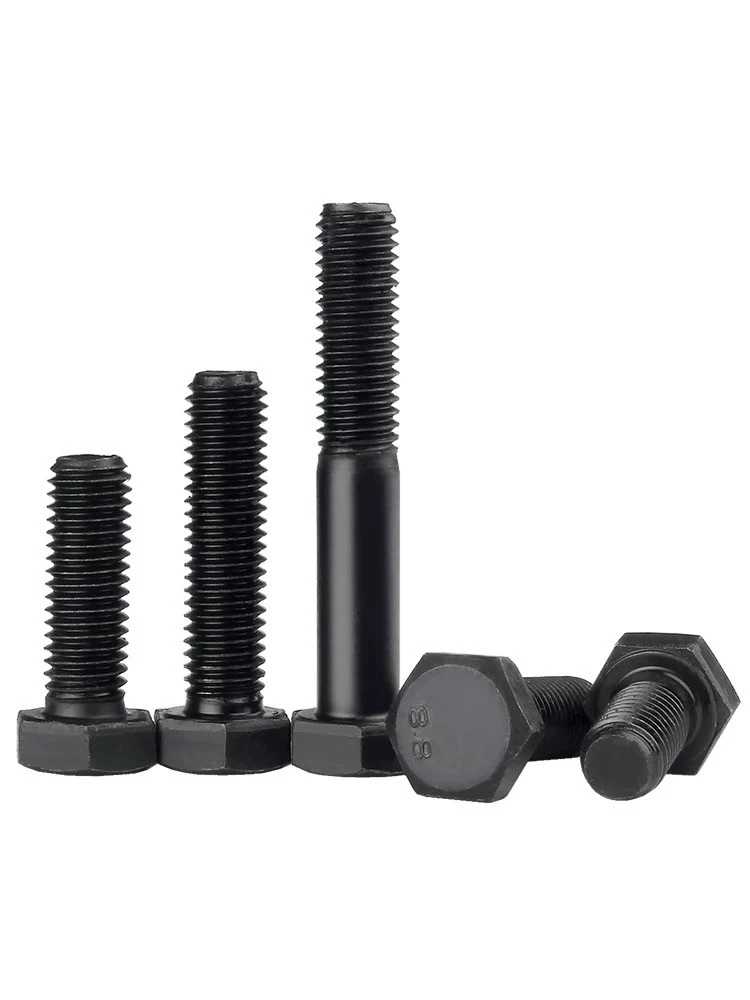
If you're in the market for high-quality UNC American Hex Bolts, we've also got some other great options for you. Check out our DIN933 Full Tooth External Hex Bolt, 8.8 Grade Hex Bolt, and GB5783 Hex Bolt. These bolts are made from top-notch materials and are designed to meet the highest standards of quality and performance.
If you're interested in purchasing our UNC American Hex Bolts or any of our other products, feel free to reach out to us for a quote. We're always happy to discuss your specific needs and provide you with the best solutions for your projects. Let's work together to get your job done right!
References
- Machinery's Handbook, 31st Edition
- Fastener Technology Corporation: Guide to Bolt Installation
- American Society of Mechanical Engineers (ASME) Standards for Bolting