

How to choose the right grade of UNC American Hex Bolt?
Oct 20, 2025
Leave a message
When it comes to selecting the right grade of UNC American Hex Bolt, there are numerous factors to consider. As a supplier of UNC American Hex Bolts, I've witnessed firsthand the importance of making an informed decision. This blog post aims to guide you through the process, ensuring that you choose the most suitable bolt for your specific application.
Understanding UNC American Hex Bolts
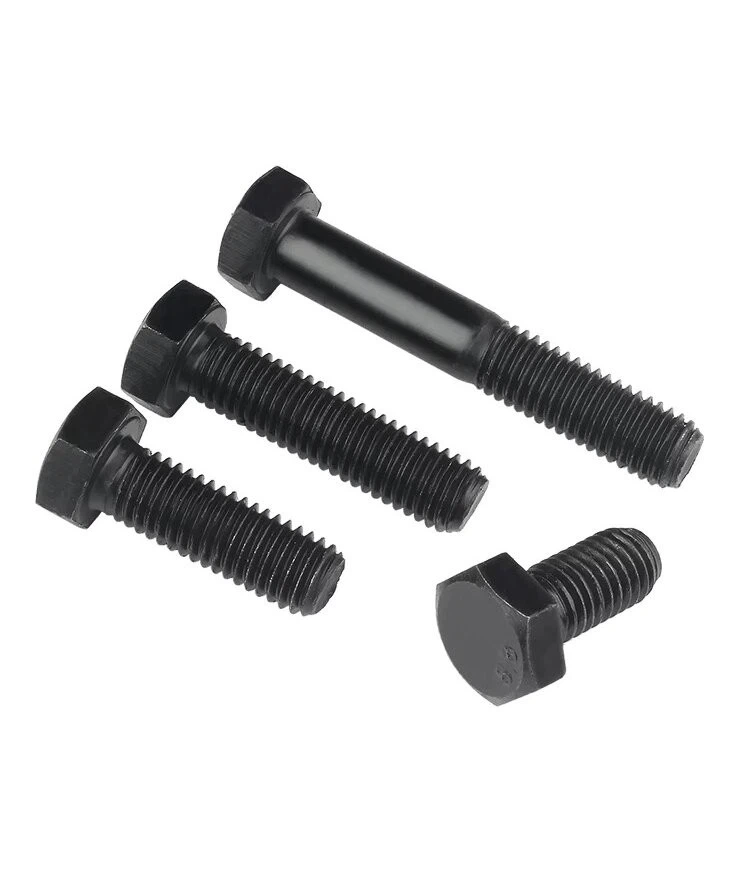
UNC, or Unified National Coarse, is a standard thread series used in the United States. American Hex Bolts are characterized by their hexagonal heads, which provide a large surface area for tools to grip, making them easy to install and remove. These bolts are commonly used in a wide range of industries, including automotive, construction, and machinery manufacturing.
The UNC American Hex Bolt is available in various grades, each with its own unique properties and applications. The grade of a bolt indicates its strength and hardness, which are crucial factors in determining its suitability for a particular job.
Factors to Consider When Choosing a Grade
1. Application Requirements
The first step in choosing the right grade of UNC American Hex Bolt is to understand the specific requirements of your application. Consider the following questions:
- What is the load capacity required? Will the bolt be subjected to heavy loads, such as in a structural application, or lighter loads, such as in a household fixture?
- What is the environment in which the bolt will be used? Will it be exposed to moisture, chemicals, or high temperatures?
- What is the level of precision required? Some applications may require a bolt with a high degree of accuracy, while others may be more forgiving.
For example, if you're working on a construction project where the bolt will be used to support heavy loads, you'll need a high-strength bolt. On the other hand, if you're installing a simple shelf in your home, a lower-grade bolt may be sufficient.
2. Strength and Hardness
The strength and hardness of a bolt are determined by its grade. Higher-grade bolts are generally stronger and harder, making them suitable for applications with high load requirements. The most common grades of UNC American Hex Bolts are:
- Grade 2: This is the lowest grade of bolt and is typically used for light-duty applications. It has a relatively low tensile strength and is not suitable for applications where high loads are expected.
- Grade 5: This is a medium-strength bolt that is commonly used in automotive and general engineering applications. It has a higher tensile strength than Grade 2 bolts and is suitable for applications where moderate loads are expected.
- Grade 8: This is the highest grade of bolt and is used for heavy-duty applications. It has a very high tensile strength and is suitable for applications where high loads and extreme conditions are expected.
The 8.8 Grade Hex Bolt is also a popular choice in many industries. It offers a good balance between strength and cost, making it suitable for a wide range of applications.
3. Corrosion Resistance
In addition to strength and hardness, corrosion resistance is another important factor to consider when choosing a grade of UNC American Hex Bolt. If the bolt will be exposed to moisture, chemicals, or other corrosive substances, it's important to choose a bolt with a high level of corrosion resistance.
Some common methods of improving corrosion resistance include:
- Galvanizing: This involves coating the bolt with a layer of zinc to protect it from rust and corrosion.
- Stainless Steel: Stainless steel bolts are highly resistant to corrosion and are suitable for applications where the bolt will be exposed to harsh environments.
- Coating: There are various types of coatings available that can provide additional protection against corrosion.
For example, if you're installing bolts in a marine environment, where they will be exposed to saltwater, stainless steel bolts or galvanized bolts would be a good choice.
4. Cost
Cost is always a consideration when choosing a grade of UNC American Hex Bolt. Higher-grade bolts are generally more expensive than lower-grade bolts, but they also offer better performance and durability. It's important to balance the cost of the bolt with the specific requirements of your application.
In some cases, it may be possible to use a lower-grade bolt if the application does not require the high strength and performance of a higher-grade bolt. However, it's important to ensure that the bolt you choose is still suitable for the job.
Comparing Different Grades
To help you make an informed decision, let's compare the different grades of UNC American Hex Bolts in terms of their properties and applications:
| Grade | Tensile Strength (psi) | Yield Strength (psi) | Applications |
|---|---|---|---|
| Grade 2 | 60,000 - 74,000 | 36,000 - 57,000 | Light-duty applications, such as household fixtures |
| Grade 5 | 105,000 - 120,000 | 92,000 - 105,000 | Automotive and general engineering applications |
| Grade 8 | 150,000 - 180,000 | 130,000 - 155,000 | Heavy-duty applications, such as structural and machinery manufacturing |
As you can see, the higher the grade of the bolt, the higher its tensile and yield strength. This means that higher-grade bolts are better able to withstand heavy loads and extreme conditions.
Additional Considerations
1. Thread Size and Pitch
In addition to the grade of the bolt, it's also important to consider the thread size and pitch. The thread size refers to the diameter of the bolt, while the pitch refers to the distance between the threads.
It's important to choose a bolt with the correct thread size and pitch for your application. Using a bolt with the wrong thread size or pitch can result in a poor fit and may compromise the integrity of the joint.
2. Bolt Length
The length of the bolt is another important consideration. The bolt should be long enough to pass through the materials being joined and have enough threads to engage the nut securely.
If the bolt is too short, it may not provide enough clamping force, while if it's too long, it may protrude beyond the nut and pose a safety hazard.

Conclusion
Choosing the right grade of UNC American Hex Bolt is essential for ensuring the safety and reliability of your application. By considering the factors discussed in this blog post, such as application requirements, strength and hardness, corrosion resistance, and cost, you can make an informed decision and select the most suitable bolt for your needs.
If you have any questions or need further assistance in choosing the right grade of UNC American Hex Bolt, please don't hesitate to contact us. We're a leading supplier of UNC American Hex Bolt and other types of bolts, including the DIN933 Full Tooth External Hex Bolt. Our team of experts is always ready to help you find the perfect solution for your application.
References
- Machinery's Handbook, 31st Edition
- American Society of Mechanical Engineers (ASME) Standards
- International Organization for Standardization (ISO) Standards