

How do I store flange nuts properly?
Jul 16, 2025
Leave a message
As a flange nut supplier, I've encountered numerous challenges and learned valuable lessons in ensuring these essential fasteners are stored correctly. Proper storage is not just about keeping items organized; it's about maintaining the integrity and functionality of the flange nuts, which are crucial components in various industries. In this blog, I'll share my insights on how to store flange nuts properly.
Understanding Flange Nuts
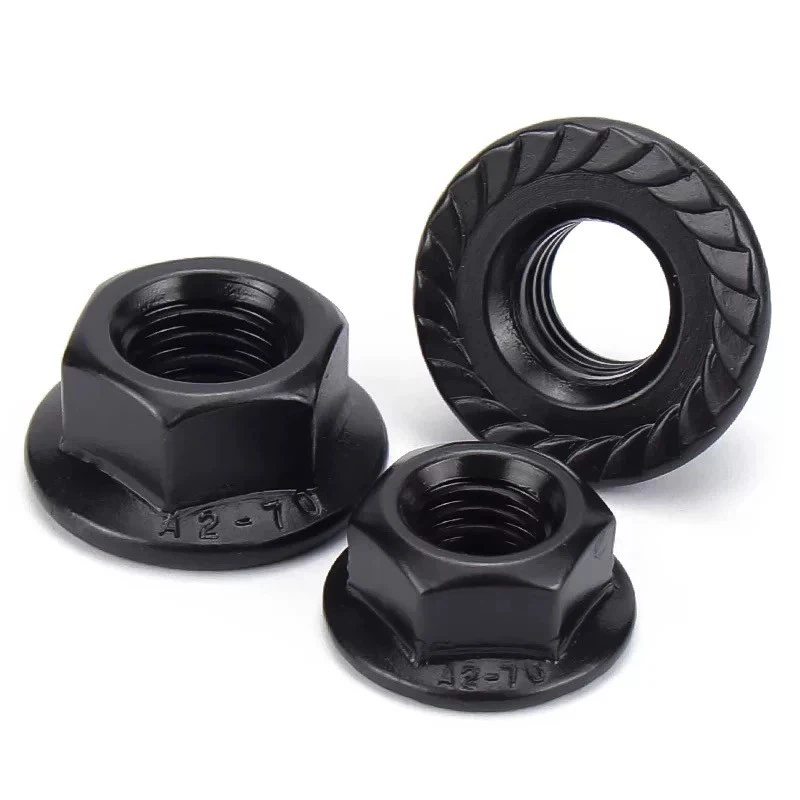
Before delving into storage methods, it's important to understand what flange nuts are. Flange nuts have a wide flange at one end that acts as an integrated washer. This design provides a larger bearing surface, which distributes pressure more evenly and helps prevent the nut from loosening. There are different types of flange nuts, such as the Hex Flange Lock Nut, 22mm Flange Nut, and 16 Flange Nut, each with its specific applications and requirements.
Importance of Proper Storage
Flange nuts are made from various materials, including steel, stainless steel, and brass. These materials can be susceptible to corrosion, damage, and contamination if not stored properly. Improper storage can lead to rust, pitting, and deformation, which can compromise the nuts' performance and render them useless. Additionally, disorganized storage can make it difficult to locate specific nuts when needed, leading to delays and inefficiencies in production or maintenance processes.
Factors Affecting Storage
Several factors need to be considered when storing flange nuts:
1. Environment
The storage environment plays a crucial role in preserving the quality of flange nuts. High humidity, extreme temperatures, and exposure to chemicals or pollutants can accelerate corrosion and damage. Therefore, it's essential to store flange nuts in a clean, dry, and well-ventilated area. Avoid storing them in basements, attics, or areas prone to flooding or excessive moisture.
2. Packaging
The right packaging can provide an additional layer of protection for flange nuts. Nuts should be stored in sealed containers or bags to prevent dust, dirt, and moisture from getting in. For larger quantities, consider using plastic bins or metal cabinets with tight-fitting lids. Label the containers clearly with the nut type, size, and quantity to facilitate easy identification.
3. Handling
Proper handling during storage is also important. Avoid dropping or mishandling the nuts, as this can cause dents, scratches, or other damage. Use appropriate tools, such as pliers or wrenches, when removing or replacing nuts to prevent cross-threading or other issues.
Storage Methods
1. Shelving
One of the most common storage methods for flange nuts is using shelving units. Shelving provides a convenient way to organize nuts by size, type, or quantity. Make sure the shelves are sturdy and level to prevent the nuts from falling or tipping over. You can use dividers or bins on the shelves to separate different types of nuts and keep them organized.
2. Drawer Systems
Drawer systems are another effective way to store flange nuts. They offer easy access and can be customized to fit different nut sizes and quantities. You can label the drawers clearly to make it easy to find the nuts you need. Drawer systems are particularly useful for smaller nuts or when space is limited.
3. Vertical Racks
Vertical racks are ideal for storing larger flange nuts or when you need to maximize storage space. These racks can hold nuts vertically, allowing for easy visibility and access. They are also suitable for storing nuts in bulk quantities.

4. Automated Storage and Retrieval Systems (ASRS)
For large-scale operations or when high levels of organization and efficiency are required, automated storage and retrieval systems can be a viable option. ASRS use computerized systems to store and retrieve nuts automatically, reducing the need for manual labor and improving inventory management.
Best Practices for Storage
1. Sorting and Categorizing
Sort flange nuts by size, type, and material before storing them. This will make it easier to locate specific nuts when needed. Group similar nuts together and label them clearly to avoid confusion.
2. Regular Inspection
Regularly inspect the stored flange nuts for signs of corrosion, damage, or contamination. Check the packaging for any signs of wear or tear and replace it if necessary. Remove any damaged or defective nuts from the storage area to prevent them from affecting the quality of the other nuts.
3. Rotation
Implement a first-in, first-out (FIFO) system for storing flange nuts. This means using the oldest nuts first to prevent them from sitting in storage for too long. FIFO helps ensure that the nuts are used before they expire or become damaged.
4. Security
Protect the stored flange nuts from theft and unauthorized access. Use locks or security systems on the storage area to prevent unauthorized entry. Keep an inventory of the nuts and conduct regular audits to ensure that the quantities match the records.
Conclusion
Proper storage of flange nuts is essential for maintaining their quality, performance, and longevity. By considering the factors affecting storage, using the right storage methods, and following best practices, you can ensure that your flange nuts are well-protected and ready for use when needed.
If you're in the market for high-quality flange nuts or have any questions about storage or application, I encourage you to reach out for a procurement discussion. We're committed to providing the best products and services to meet your needs.
References
- "Fastener Storage and Handling Best Practices," Fastener Engineering Magazine
- "Corrosion Prevention in Metal Fasteners," Journal of Materials Science and Engineering