

How do I prevent cross - threading when using a Hex Flange Lock Nut?
Oct 08, 2025
Leave a message
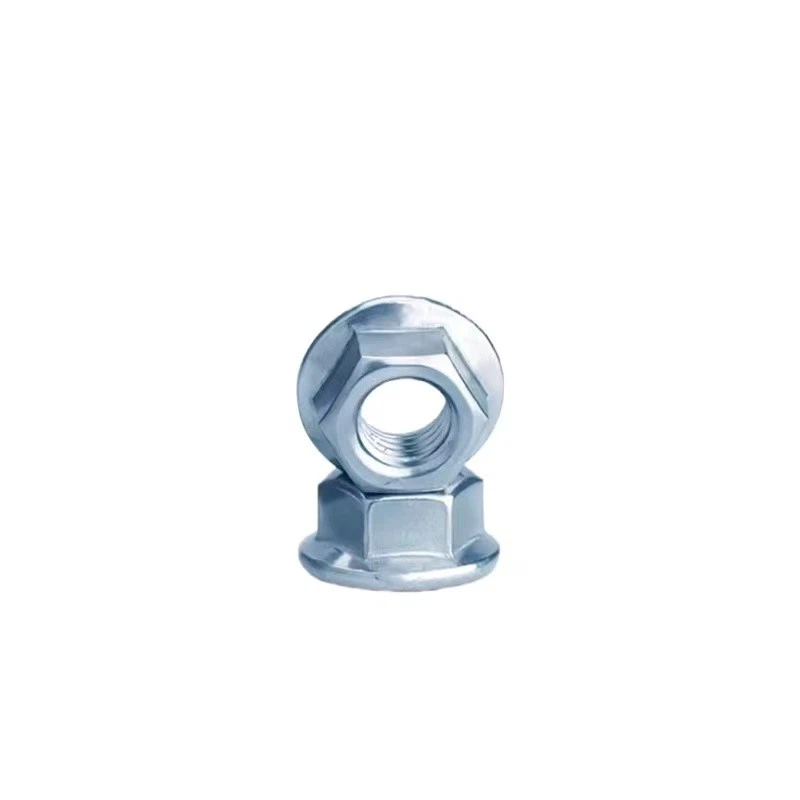
Hey there! I'm a supplier of Hex Flange Lock Nuts, and today I wanna talk about how to prevent cross - threading when using these nuts. Cross - threading is a real pain in the neck, and it can mess up your whole project. So, let's dig into this topic and figure out some ways to avoid it.
First off, let's understand what cross - threading is. Cross - threading happens when the threads of the nut and the bolt don't align properly during installation. Instead of the threads sliding smoothly into each other, they get jammed at an angle. This not only makes it difficult to tighten the nut but can also damage the threads on both the nut and the bolt. And once the threads are damaged, the connection won't be as strong as it should be, and it might even fail under stress.
Now, as a supplier, I've seen a lot of cases where cross - threading causes problems. That's why I'm here to share some tips to help you prevent it.
1. Inspect the Threads
Before you start installing the Hex Flange Lock Nut, take a good look at both the threads on the nut and the bolt. Make sure they're clean and free from any debris, rust, or damage. Even a small piece of dirt can cause cross - threading. If you notice any rough spots or damaged threads, it's better to replace the nut or the bolt. A damaged thread is like a ticking time bomb; it's just waiting to cause trouble.
2. Use the Right Size
This might seem obvious, but it's crucial. Make sure you're using the correct size of the Hex Flange Lock Nut for the bolt. If the nut is too big or too small, the threads won't match up correctly, and cross - threading is almost guaranteed. As a supplier, I always recommend double - checking the specifications. For example, if you're using a DIN6923 Flange Nut, make sure it's the right size for your bolt according to the DIN6923 standard.
3. Start the Threads by Hand
One of the best ways to prevent cross - threading is to start the nut on the bolt by hand. This gives you a chance to feel if the threads are aligning properly. Turn the nut slowly and gently. If you feel any resistance or if the nut doesn't turn smoothly, stop right away. Don't force it; that's a surefire way to cross - thread. Instead, back the nut off and try again, making sure the threads are lined up correctly.
4. Use a Guide or a Thread Chaser
If you're working on a project where it's a bit tricky to align the threads, you can use a guide or a thread chaser. A guide is a tool that helps you start the nut in the right position. A thread chaser, on the other hand, can clean and realign the threads on the bolt if they're a bit out of shape. These tools can be a real lifesaver when it comes to preventing cross - threading.

5. Apply Lubrication
Lubrication can make a big difference when it comes to preventing cross - threading. A little bit of lubricant, like oil or anti - seize compound, can help the threads slide more smoothly. It reduces friction and makes it easier to start and tighten the nut. Just make sure you're using the right type of lubricant for your application. Some lubricants might not be suitable for certain environments or materials.
6. Tighten Slowly and Steadily
Once the nut is started correctly, use a wrench to tighten it. But don't go all guns blazing. Tighten the nut slowly and steadily. This gives the threads time to settle into place properly. If you tighten it too quickly, you might not notice if the threads are starting to cross - thread. And once you've tightened the nut, give it a final check to make sure it's secure and the threads are still in good condition.
Different Types of Hex Flange Lock Nuts and Cross - Threading
We offer a variety of Hex Flange Lock Nuts, such as the 16 Flange Nut and the 8 Grade Galvanized Flange Nut. Each type has its own characteristics, but the principles of preventing cross - threading remain the same.
The 16 Flange Nut is known for its strength and durability. It's often used in heavy - duty applications. When using this nut, it's even more important to follow the steps above to prevent cross - threading. A cross - threaded 16 Flange Nut in a heavy - duty application can lead to serious safety issues.
The 8 Grade Galvanized Flange Nut is corrosion - resistant, thanks to the galvanization process. But just because it's galvanized doesn't mean it's immune to cross - threading. The same inspection, alignment, and tightening procedures apply.
Common Mistakes to Avoid
There are a few common mistakes that people make when installing Hex Flange Lock Nuts that can lead to cross - threading. One of the biggest mistakes is using too much force. As I mentioned earlier, forcing the nut onto the bolt is a recipe for disaster. Another mistake is not checking the threads properly. A quick glance might not be enough; take your time to inspect them thoroughly.
Also, don't assume that just because you've installed nuts before, you can do it without following the proper procedures. Every project is different, and a little bit of care can go a long way in preventing cross - threading.
Conclusion
Preventing cross - threading when using Hex Flange Lock Nuts is all about taking your time, being careful, and following the right procedures. By inspecting the threads, using the right size, starting by hand, and tightening slowly, you can avoid the headaches that come with cross - threading.
As a supplier, I'm always here to help you with any questions you might have about our Hex Flange Lock Nuts. Whether you're a DIY enthusiast or a professional in the industry, we've got the right nuts for your project. If you're interested in purchasing our products or have any inquiries, feel free to reach out. We're looking forward to discussing your needs and providing you with the best solutions.
References
- Engineering handbooks on fasteners
- Industry standards for nut and bolt installation
- Manufacturer's guidelines for Hex Flange Lock Nuts