

How do I optimize the use of Hex Flange Lock Nuts in a project?
Oct 29, 2026
Leave a message
Hey there! As a supplier of Hex Flange Lock Nuts, I've seen firsthand how these little guys can make a huge difference in a project. Today, I'm gonna share some tips on how to optimize the use of Hex Flange Lock Nuts in your next project.
Getting to Know Hex Flange Lock Nuts
First things first, let's get on the same page about what Hex Flange Lock Nuts are. These nuts are a type of fastener with a hexagonal head and a flange at one end. The flange acts like a built - in washer, distributing the load over a larger area. And the locking feature, whether it's a nylon insert or a deformed thread, helps prevent the nut from loosening due to vibration, shock, or temperature changes.
Materials Matter
The material of the Hex Flange Lock Nut can have a big impact on its performance. For most general - purpose projects, steel nuts are a go - to choice. They're strong, durable, and relatively inexpensive. However, if you're working in a corrosive environment, you might want to consider stainless - steel or galvanized nuts.
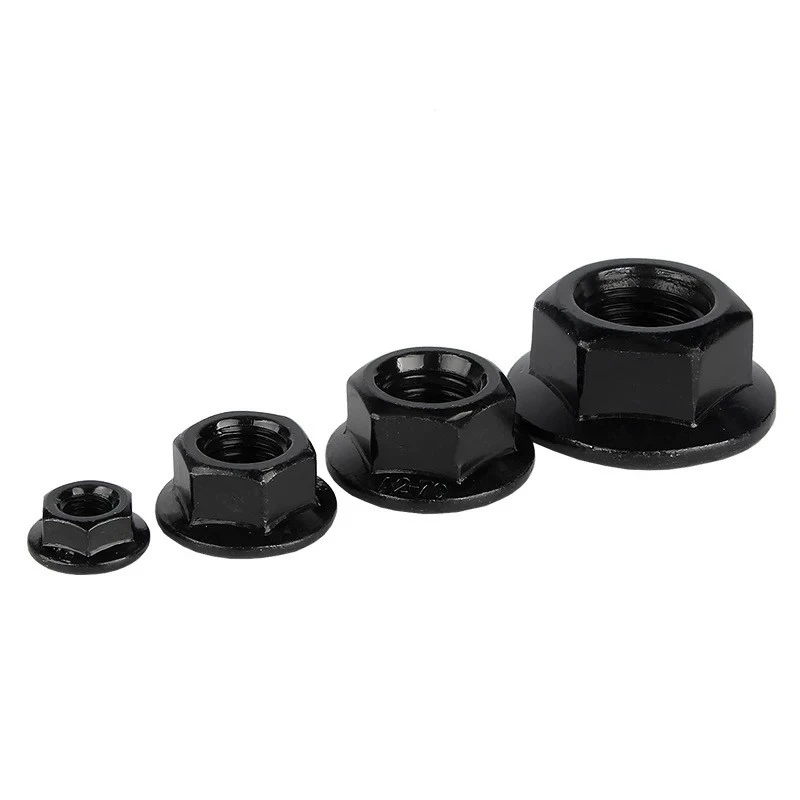

For instance, our 8 Grade Galvanized Flange Nut is coated with zinc. This zinc coating provides a protective layer that prevents rust and corrosion, making it perfect for outdoor projects or applications where the nut will be exposed to moisture.
Size and Fit
Choosing the right size of Hex Flange Lock Nut is crucial. If the nut is too small, it won't provide enough clamping force, and the joint might come loose. On the other hand, if it's too big, it won't fit properly, and it could even cause damage to the mating parts.
When picking a nut size, you need to match it to the diameter and pitch of the bolt. Make sure to double - check the specifications in your project plans. For example, if you're using a 22mm bolt, our 22mm Flange Nut would be a great fit. It's designed to work seamlessly with bolts of the same size, ensuring a tight and secure connection.
Installation Techniques
Proper installation is key to optimizing the use of Hex Flange Lock Nuts. Here's a step - by - step guide on how to install them correctly:
- Clean the threads: Before you start, make sure the threads of the bolt are clean and free from dirt, debris, and rust. This will ensure a smooth installation and prevent galling.
- Apply lubricant: In some cases, it might be a good idea to apply a small amount of lubricant to the threads. This can make the installation easier and also help prevent corrosion in the future.
- Hand - tighten the nut: Start by screwing the nut onto the bolt by hand. This will help you get it started in the right direction and prevent cross - threading.
- Use a wrench: Once the nut is hand - tightened, use a wrench to tighten it further. Make sure to use the right size wrench to avoid damaging the nut. Tighten the nut until it's snug, but don't over - tighten it. Over - tightening can cause the nut to strip the threads or even break.
DIN6923 Flange Nuts: A Special Mention
If you're working on a project that requires a high - quality, standardized nut, our DIN6923 Flange Nut is a great option. These nuts follow the DIN6923 standard, which means they meet strict quality and dimensional requirements. They're commonly used in automotive, machinery, and construction applications, and they offer excellent performance and reliability.
Maintenance and Inspection
Even after you've installed the Hex Flange Lock Nuts, your work isn't done. Regular maintenance and inspection are important to ensure that the nuts remain in good condition and continue to perform their job effectively.
Periodically check the nuts for signs of wear, corrosion, or loosening. If you notice any issues, replace the nut immediately. Also, make sure to clean the nuts and the surrounding area regularly to prevent the buildup of dirt and debris.
Cost - Benefit Analysis
When using Hex Flange Lock Nuts in a project, it's important to consider the cost - benefit ratio. While these nuts might be a bit more expensive than regular nuts, they offer a lot of advantages. The locking feature reduces the need for frequent re - tightening, which can save you time and money in the long run. The flange distributes the load, reducing the risk of damage to the mating parts and increasing the overall lifespan of the joint.
So, even though you might pay a bit more upfront, you'll likely save on maintenance and replacement costs down the line.
In conclusion, optimizing the use of Hex Flange Lock Nuts in a project involves choosing the right material, size, and installation technique. Regular maintenance and inspection are also crucial to keep them working properly. Whether you're working on a small DIY project or a large - scale industrial application, these nuts can provide a reliable and cost - effective solution.
If you're in the market for high - quality Hex Flange Lock Nuts, I'd love to talk to you. We've got a wide range of options to suit different needs and budgets. Don't hesitate to reach out for a quote or to discuss your project requirements. Let's work together to make your project a success!
References
- Machinery Handbook, 31st Edition
- Fastener Standards and Specifications Guide