

How do I check the thread quality of a flange nut?
Dec 17, 2025
Leave a message
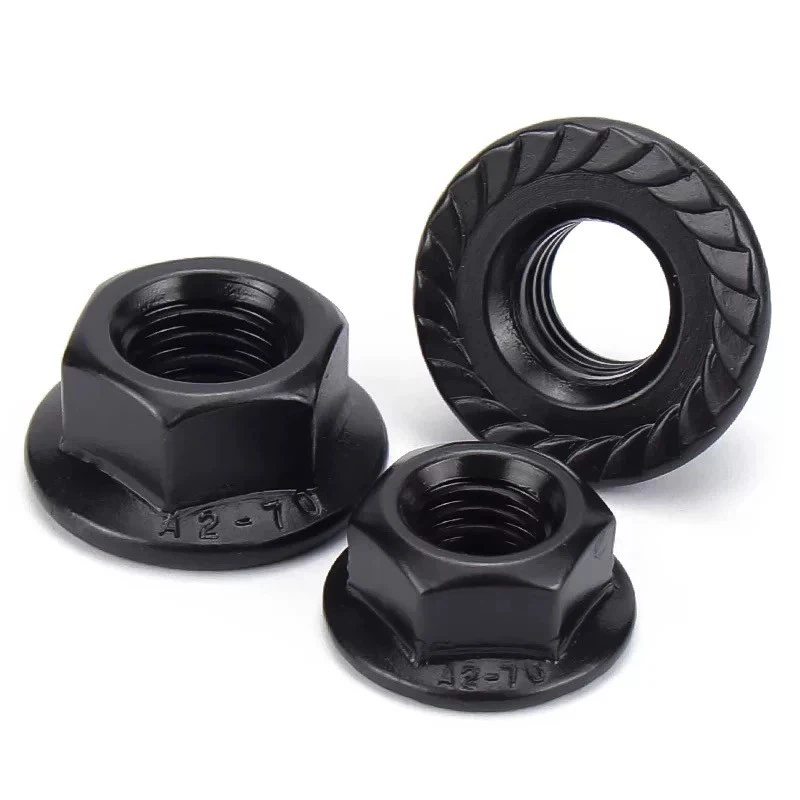
Hey there! As a flange nut supplier, I know how crucial it is to ensure the thread quality of these nuts. Flange nuts are used in a wide range of applications, from automotive to construction, and their performance heavily depends on the quality of the threads. So, let's dive into how I check the thread quality of a flange nut.
Visual Inspection
The first step in checking the thread quality is a simple visual inspection. I grab a good magnifying glass and take a close look at the threads. I'm looking for any obvious signs of damage, like nicks, burrs, or cracks. These imperfections can cause problems when the nut is tightened, leading to a loose connection or even failure.
I also check the thread profile. The threads should have a consistent shape and size throughout the nut. Any irregularities in the profile can indicate a manufacturing defect. Sometimes, you might notice that the threads are too shallow or too deep, which can affect the nut's ability to grip properly.
Thread Gauging
After the visual inspection, I move on to thread gauging. This is a more precise way to check the thread quality. I use a set of thread gauges, which are like little templates that match the specific thread size and pitch of the flange nut.
There are two main types of thread gauges: the go gauge and the no-go gauge. The go gauge should fit onto the threads of the nut smoothly and easily. If it doesn't, that means the threads are too small or have some sort of obstruction. On the other hand, the no-go gauge should not fit onto the threads at all. If it does, the threads are too large, and the nut won't work properly.
I usually test a few different parts of the threads with the gauges to make sure the quality is consistent. It's important to note that thread gauging is not a perfect method, but it gives me a good indication of whether the threads meet the required standards.

Thread Fit Testing
Another way I check the thread quality is by doing a thread fit test. I take a matching bolt and try to screw the flange nut onto it. The nut should turn smoothly onto the bolt without any excessive force or binding. If I have to use a lot of force to turn the nut, that could mean the threads are not properly aligned or there are some burrs inside.
During the fit test, I also pay attention to how the nut feels as it's being tightened. It should have a consistent resistance, and there shouldn't be any sudden changes in the turning force. If I notice any jerks or unevenness, it could be a sign of a problem with the thread quality.
Material Analysis
The quality of the material used to make the flange nut also plays a big role in the thread quality. I sometimes send samples of the nuts to a laboratory for material analysis. They can test the hardness, composition, and other properties of the material.
If the material is too soft, the threads can wear out quickly, leading to a loss of grip. On the other hand, if the material is too hard, it can be brittle and prone to cracking. By ensuring that the material meets the right specifications, I can be more confident in the overall quality of the threads.
Surface Finish
The surface finish of the threads is another important factor. A smooth surface finish can reduce friction and make it easier to tighten the nut. I use a surface roughness tester to measure the smoothness of the threads.
If the surface is too rough, it can cause galling, which is when the threads stick together and damage each other. This can make it difficult to remove the nut later on. On the other hand, a surface that is too smooth might not provide enough grip.
Checking for Corrosion Resistance
Flange nuts are often used in environments where they are exposed to moisture, chemicals, or other corrosive substances. That's why I also check the corrosion resistance of the threads. I can do this by performing a salt spray test or by using a corrosion-resistant coating on the nuts.
If the threads start to corrode, they can lose their strength and integrity. This can lead to a loose connection and potentially dangerous situations. So, making sure the nuts have good corrosion resistance is essential.
Quality Control in Production
As a supplier, I also focus on quality control during the production process. I work closely with the manufacturers to ensure that the right manufacturing techniques are used. This includes things like proper machining, heat treatment, and finishing processes.
By having strict quality control measures in place, I can catch any potential problems early on and prevent defective nuts from reaching the market. This not only saves time and money but also helps me maintain a good reputation as a reliable supplier.
Different Types of Flange Nuts
We offer a variety of flange nuts, such as the Hex Flange Lock Nut, DIN6923 Flange Nut, and 22mm Flange Nut. Each type has its own specific requirements when it comes to thread quality, but the basic checking methods are similar.
For example, the Hex Flange Lock Nut has a locking feature that relies on the proper thread engagement. So, I pay extra attention to the thread fit and the locking mechanism when checking these nuts. The DIN6923 Flange Nut has a specific standard that it needs to meet, and I make sure that the threads conform to that standard. And the 22mm Flange Nut has a specific size, so I use the appropriate thread gauges to check its quality.
Why It Matters
Ensuring the thread quality of flange nuts is not just about meeting the standards; it's about providing a reliable product to my customers. A nut with poor thread quality can lead to all sorts of problems, from minor annoyances like a loose connection to major safety hazards.
By taking the time to check the thread quality using these methods, I can be confident that the flange nuts I supply are of the highest quality. This helps me build trust with my customers and keeps them coming back for more.
Conclusion
So, there you have it! That's how I check the thread quality of a flange nut. It's a multi-step process that involves visual inspection, thread gauging, fit testing, material analysis, and more. By paying attention to every detail, I can ensure that the nuts I supply are reliable and perform well in various applications.
If you're in the market for high-quality flange nuts, I'd love to have a chat with you. Whether you need Hex Flange Lock Nut, DIN6923 Flange Nut, or 22mm Flange Nut, I can provide you with the best products at competitive prices. Just reach out, and we can start discussing your requirements.
References
- Machinery's Handbook
- ASTM Standards for Nuts and Bolts
- ISO Standards for Fasteners