

Can UNC American Hex Bolts be used in marine applications?
Sep 15, 2025
Leave a message
Can UNC American Hex Bolts be used in marine applications?
As a supplier of UNC American Hex Bolts, I often get asked whether these bolts are suitable for marine applications. The marine environment is a harsh one, characterized by high humidity, saltwater exposure, and varying temperatures. These conditions can pose significant challenges to the durability and performance of fasteners. In this blog post, I'll delve into the factors to consider when determining if UNC American Hex Bolts are a good fit for marine use.
Understanding UNC American Hex Bolts
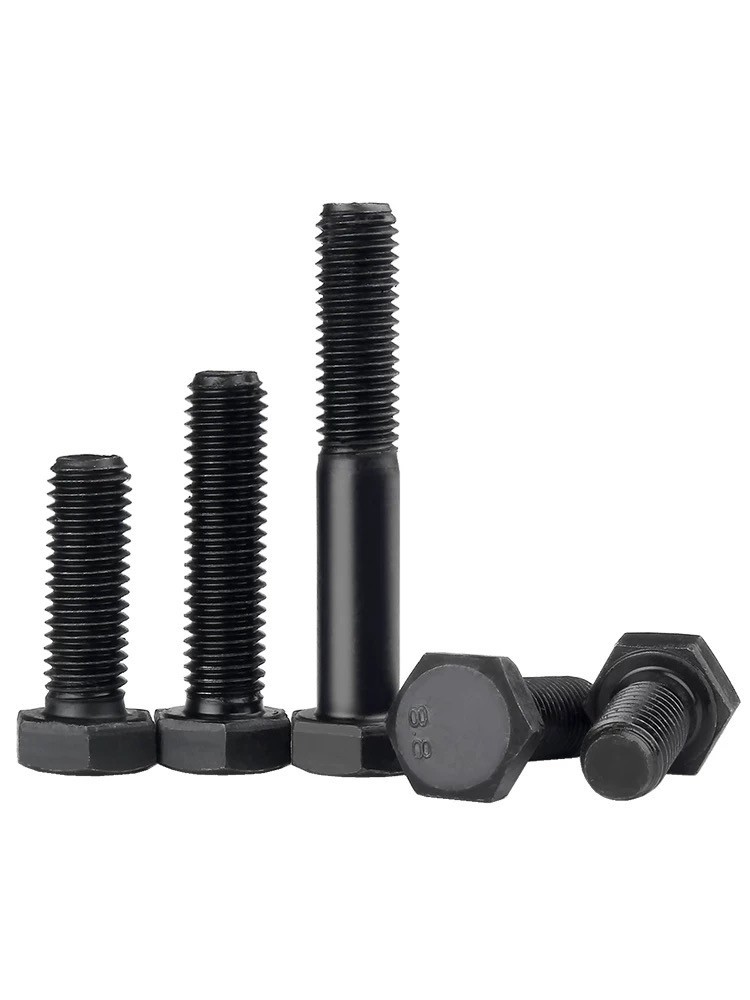
UNC (Unified National Coarse) American Hex Bolts are a type of fastener commonly used in various industries. They feature a hexagonal head, which allows for easy installation and removal using a wrench. The coarse thread design of UNC bolts provides good holding power and is suitable for a wide range of applications. These bolts are typically made from materials such as carbon steel, stainless steel, or alloy steel, each with its own set of properties.
Challenges in Marine Applications
The marine environment presents several challenges that can affect the performance of fasteners. Saltwater is highly corrosive, and exposure to it can lead to rust and corrosion of metal components. The constant presence of moisture can also cause oxidation and degradation of the bolt's surface. Additionally, the movement and vibration of marine vessels can put stress on the fasteners, potentially leading to loosening or failure.
Corrosion Resistance
One of the most critical factors in determining the suitability of UNC American Hex Bolts for marine applications is their corrosion resistance. Stainless steel is a popular choice for marine fasteners due to its excellent corrosion resistance. It contains chromium, which forms a protective oxide layer on the surface of the metal, preventing rust and corrosion. However, not all stainless steels are created equal. Grades such as 316 stainless steel are specifically designed for marine environments and offer superior corrosion resistance compared to other grades.
Carbon steel UNC American Hex Bolts, on the other hand, are more prone to corrosion. While they can be coated with protective finishes such as zinc plating or hot-dip galvanizing to improve their corrosion resistance, these coatings may not provide long-term protection in harsh marine conditions. Alloy steel bolts can also offer better corrosion resistance than carbon steel, but they may still require additional protection in marine applications.
Strength and Durability
In addition to corrosion resistance, the strength and durability of UNC American Hex Bolts are also important considerations in marine applications. The constant movement and vibration of marine vessels can put significant stress on the fasteners, so they need to be able to withstand these forces without failing. High-strength alloy steel bolts are often used in marine applications where greater strength is required.
The thread design of the bolts also plays a role in their strength and durability. The coarse thread of UNC bolts provides good holding power, but it may be more susceptible to stripping or damage compared to fine thread bolts. In some cases, fine thread bolts may be preferred for marine applications where a more secure and precise fit is required.
Compatibility with Other Materials
When using UNC American Hex Bolts in marine applications, it's important to consider their compatibility with other materials. Different metals can have different electrochemical properties, and when they come into contact with each other in the presence of an electrolyte (such as saltwater), galvanic corrosion can occur. This can lead to accelerated corrosion of the bolts and other components.
To prevent galvanic corrosion, it's important to use bolts and other fasteners made from compatible materials. For example, if using stainless steel bolts, it's best to use other stainless steel components or materials that have similar electrochemical properties. If using carbon steel bolts, they should be coated or insulated to prevent contact with other metals.

Alternatives to UNC American Hex Bolts
While UNC American Hex Bolts can be used in some marine applications, there are also other types of fasteners that may be more suitable. For example, GB5783 Hex Bolt and DIN933 Full Tooth External Hex Bolt are commonly used in marine and other industrial applications. These bolts may offer different features and benefits, such as different thread designs or corrosion resistance properties.
DIN931 Hex Bolt is another option that is widely used in marine and construction applications. It has a similar design to UNC American Hex Bolts but may have different specifications and performance characteristics.
Conclusion
In conclusion, whether UNC American Hex Bolts can be used in marine applications depends on several factors, including their corrosion resistance, strength, durability, and compatibility with other materials. While they can be a viable option in some cases, it's important to carefully consider the specific requirements of the marine application and choose the appropriate fasteners accordingly.
If you're in the market for fasteners for marine applications, I encourage you to reach out to me to discuss your needs. As a supplier of UNC American Hex Bolts, I have the expertise and experience to help you select the right fasteners for your project. Whether you need stainless steel bolts for maximum corrosion resistance or high-strength alloy steel bolts for heavy-duty applications, I can provide you with the products and support you need. Contact me today to start the conversation and explore your options for marine fasteners.
References
- ASM Handbook Volume 13A: Corrosion: Fundamentals, Testing, and Protection. ASM International.
- Marine Fasteners: A Guide to Selection and Use. National Association of Corrosion Engineers (NACE).
- Standards and Specifications for Fasteners in Marine Applications. International Maritime Organization (IMO).