

Can hex nuts be used in printing equipment?
Sep 22, 2025
Leave a message
Hey there! As a hex nut supplier, I often get asked if hex nuts can be used in printing equipment. Well, let's dive right into this topic and find out.
First off, what are hex nuts? Hex nuts are those six - sided nuts that you've probably seen in a million different places. They're super common and come in all sorts of sizes and materials. We've got DIN934 Hex Nut, 1 2 Galvanized Hex Nut, and 22mm Hex Nut, just to name a few.
Now, let's talk about printing equipment. Printing machines are complex beasts. They've got a whole bunch of moving parts, and each part needs to be held together securely. That's where hex nuts come in.
One of the key requirements in printing equipment is precision. The components need to be aligned perfectly to ensure high - quality prints. Hex nuts can play a crucial role in this. When you're assembling the various parts of a printer, like the print head carriage or the paper feed mechanism, hex nuts can be used to fasten bolts and keep everything in place. Their six - sided design makes them easy to grip with a wrench, which means you can tighten them just right.
Let's take a look at the different types of hex nuts and how they might fit into printing equipment.
DIN934 Hex Nut
The DIN934 Hex Nut is a standard hex nut that follows the German DIN 934 specification. These nuts are known for their high quality and consistent dimensions. In printing equipment, you might use them in areas where you need a reliable and standardized fastening solution. For example, when attaching the frame components of a large - format printer, DIN934 hex nuts can ensure that the parts stay firmly connected. They're also great for areas where vibration is an issue. Printing machines can generate a fair amount of vibration during operation, and the tight fit of a DIN934 hex nut can help prevent loosening over time.
1 2 Galvanized Hex Nut
The 1 2 Galvanized Hex Nut is a half - inch sized hex nut that has been galvanized. Galvanization is a process where a layer of zinc is applied to the nut to protect it from corrosion. In a printing environment, there might be moisture or chemicals present, especially in printers that use inks or solvents. The galvanized coating on these nuts can help extend their lifespan and prevent rusting. You could use these nuts in areas near the ink reservoirs or in parts of the printer that are exposed to the environment.
22mm Hex Nut
The 22mm Hex Nut is a larger - sized hex nut. In printing equipment, larger nuts are often used in areas where more torque is required. For example, in the base or support structures of a heavy - duty industrial printer, a 22mm hex nut can provide the necessary strength to hold the components together. These nuts are also useful when you're dealing with larger bolts that need a more substantial fastening partner.
Another important aspect is the material of the hex nuts. Most hex nuts are made of steel, but there are also options like stainless steel and brass.
Steel hex nuts are strong and affordable. They're suitable for most general - purpose applications in printing equipment. However, if you're working in a high - humidity or corrosive environment, stainless steel hex nuts might be a better choice. Stainless steel is resistant to rust and corrosion, which means your nuts will last longer and won't degrade over time. Brass hex nuts, on the other hand, are often used in areas where electrical conductivity is a concern. In some printers, there are electrical components that need to be grounded properly, and brass hex nuts can help with that.
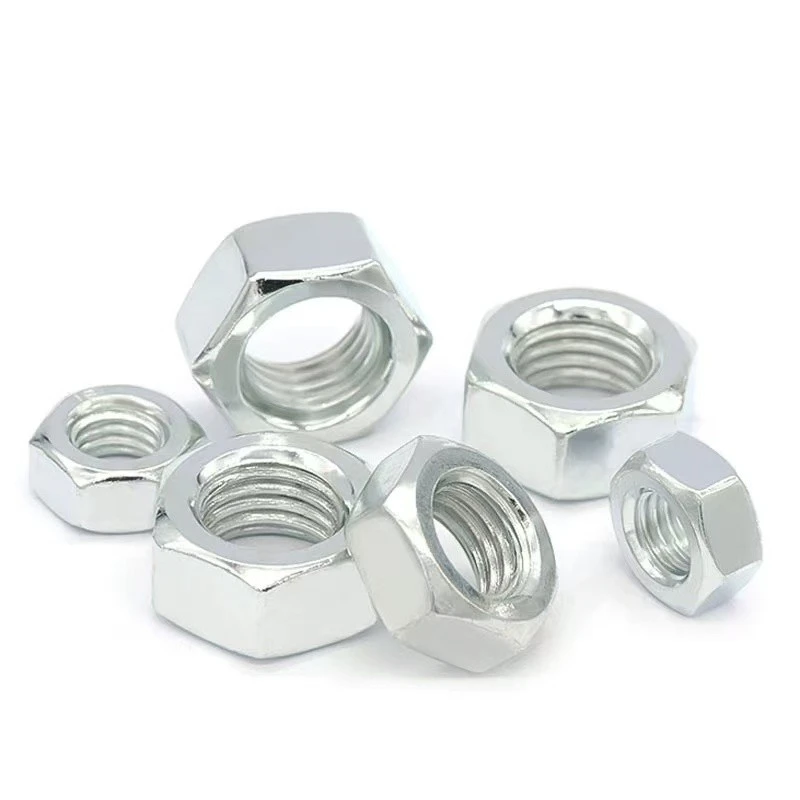

But it's not all rosy. There are some challenges when using hex nuts in printing equipment. One of the main issues is the risk of over - tightening. If you over - tighten a hex nut, it can damage the threads on the bolt or the component it's being fastened to. This can lead to premature failure and costly repairs. That's why it's important to use the right tools and follow the manufacturer's torque specifications.
Another challenge is the need for regular maintenance. Over time, the vibration from the printer can cause the hex nuts to loosen. You'll need to check and re - tighten them periodically to ensure the continued safe and efficient operation of the equipment.
In conclusion, hex nuts can definitely be used in printing equipment. They offer a reliable and versatile fastening solution for the various components of a printer. Whether you're looking for a standard DIN934 nut, a galvanized half - inch nut, or a larger 22mm nut, there's a hex nut out there that can meet your needs.
If you're in the market for hex nuts for your printing equipment, I'd love to have a chat with you. We've got a wide range of hex nuts in different sizes, materials, and specifications. Just reach out, and we can discuss your requirements and find the perfect hex nuts for your printing machines.
References
- Machinery's Handbook, 31st Edition
- Printing Equipment Manufacturer's Manuals