

Can Hex Flange Lock Nuts be used in electrical applications?
Sep 26, 2025
Leave a message
As a supplier of high - quality Hex Flange Lock Nuts, I've been frequently asked whether these nuts can be used in electrical applications. In this blog, I'll delve into the details to provide a comprehensive answer.
Understanding Hex Flange Lock Nuts
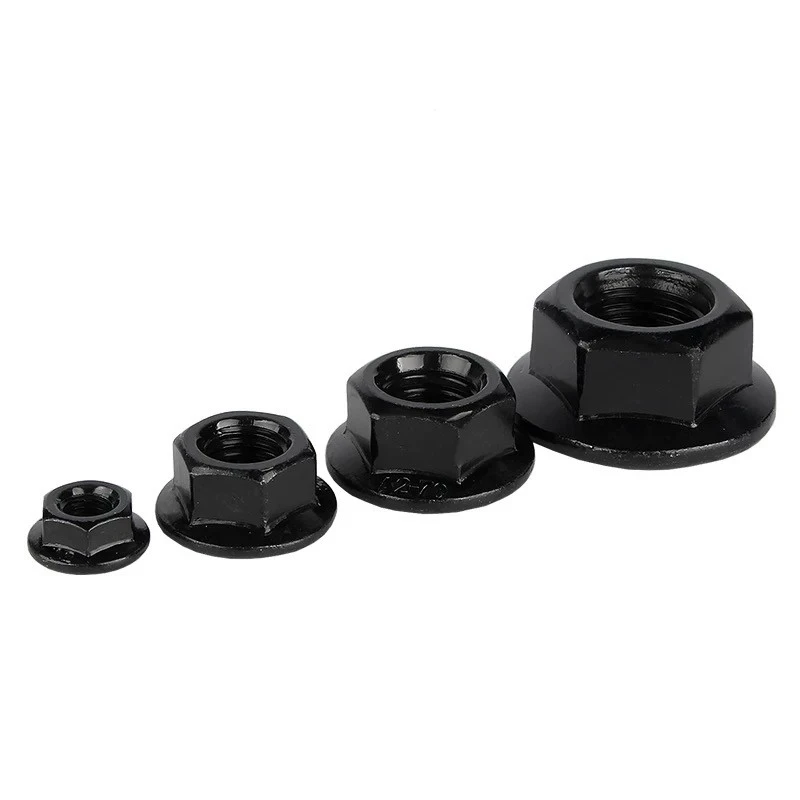
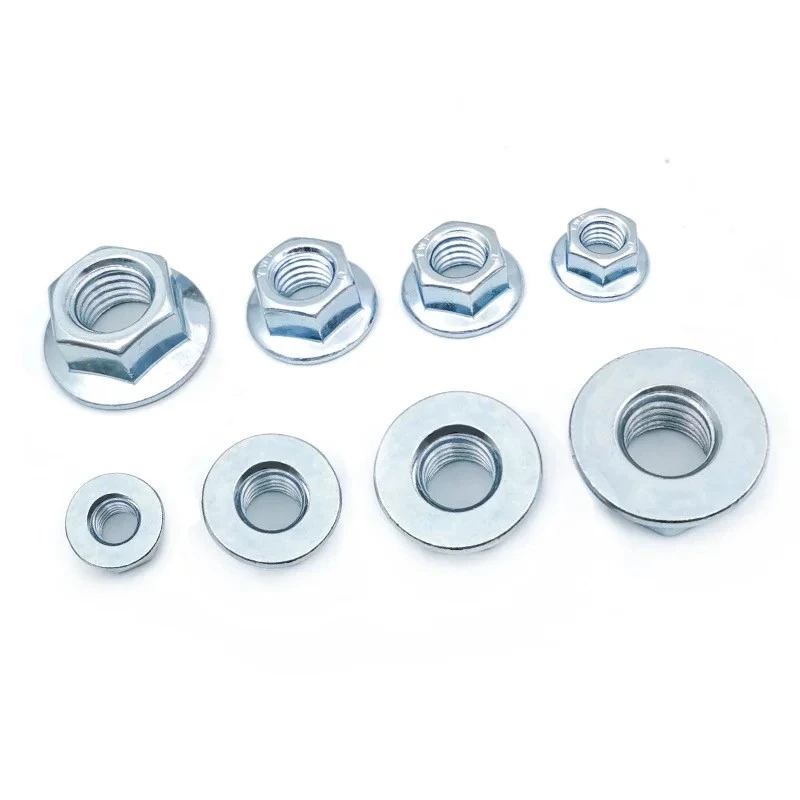
Hex Flange Lock Nuts are a type of fastener with a hexagonal shape and a flange at one end. The flange acts as a washer, distributing the load over a larger area and providing additional locking features. These nuts are designed to prevent loosening due to vibration, rotation, or other mechanical forces. You can learn more about Hex Flange Lock Nut on our website.
Requirements in Electrical Applications
Electrical applications have specific requirements that fasteners must meet. First and foremost, electrical conductivity is a crucial factor. In some cases, fasteners need to provide a low - resistance path for electrical current. Additionally, corrosion resistance is vital as electrical components are often exposed to various environmental conditions. Any corrosion can lead to increased resistance, overheating, and potential electrical failures. Moreover, mechanical stability is required to ensure that the components remain securely fastened, especially in applications where there are vibrations or movements.
Electrical Conductivity of Hex Flange Lock Nuts
The electrical conductivity of Hex Flange Lock Nuts depends on the material they are made of. Common materials for these nuts include steel, stainless steel, and brass. Steel nuts generally have good electrical conductivity, but they are prone to corrosion. Stainless steel offers better corrosion resistance, but its electrical conductivity is slightly lower compared to pure steel. Brass, on the other hand, has excellent electrical conductivity and good corrosion resistance, making it a popular choice for electrical applications.
In electrical circuits where low - resistance connections are necessary, brass Hex Flange Lock Nuts are often preferred. For example, in electrical panels and wiring harnesses, brass nuts can ensure a reliable electrical connection, reducing the risk of power losses and electrical arcing. However, in applications where corrosion resistance is the primary concern and the electrical conductivity requirements are not extremely high, stainless steel nuts can be a suitable option.
Corrosion Resistance
Corrosion can have a significant impact on the performance of fasteners in electrical applications. Rust or oxidation on a nut can increase the contact resistance, leading to overheating and potential damage to the electrical components. As mentioned earlier, stainless steel and brass are more corrosion - resistant than regular steel.
Stainless steel Hex Flange Lock Nuts are often used in outdoor electrical installations or in environments with high humidity or exposure to chemicals. The chromium in stainless steel forms a passive oxide layer on the surface, which protects the nut from further corrosion. Brass nuts also have good corrosion resistance, especially in non - aggressive environments. They can withstand mild exposure to moisture and air without significant degradation.
Mechanical Stability
In electrical applications, mechanical stability is essential to prevent the loosening of components. Hex Flange Lock Nuts are designed to provide a secure locking mechanism. The flange distributes the clamping force evenly, reducing the risk of the nut vibrating loose. This is particularly important in electrical equipment such as motors, generators, and transformers, where vibrations are common.
The locking feature of these nuts ensures that the electrical connections remain tight, maintaining a stable electrical circuit. For example, in a motor, loose fasteners can cause misalignment, increased noise, and even mechanical failures. By using Hex Flange Lock Nuts, the risk of such issues can be significantly reduced.
Specific Electrical Applications
Electrical Panels
Electrical panels are used to distribute electrical power in buildings and industrial facilities. Hex Flange Lock Nuts are used to secure bus bars, circuit breakers, and other components. In this application, the nuts need to provide both electrical conductivity and mechanical stability. Brass or stainless steel nuts are commonly used to ensure reliable electrical connections and prevent loosening due to vibrations from nearby equipment.
Wiring Harnesses
Wiring harnesses are used to organize and protect electrical wires in vehicles, aircraft, and other machinery. Hex Flange Lock Nuts are used to secure connectors and terminals. The nuts need to be corrosion - resistant to withstand the environmental conditions, such as moisture and temperature variations. Stainless steel or brass nuts are suitable for this application, providing both mechanical and electrical performance.
Electrical Motors
Electrical motors generate vibrations during operation. Hex Flange Lock Nuts are used to secure the motor housing, stator, and other components. The locking feature of these nuts ensures that the components remain in place, preventing any misalignment or damage. Steel or stainless steel nuts are often used in motors, depending on the specific requirements of the application.
Considerations for Using Hex Flange Lock Nuts in Electrical Applications
When using Hex Flange Lock Nuts in electrical applications, there are several considerations. First, the material selection should be based on the specific requirements of the application, including electrical conductivity, corrosion resistance, and mechanical strength. Second, proper installation is crucial. The nuts should be tightened to the correct torque to ensure a secure connection. Over - tightening can damage the nut or the mating component, while under - tightening can lead to loosening.
It's also important to consider the compatibility of the nut with other components in the electrical system. For example, if the nut is in contact with other metals, there may be a risk of galvanic corrosion. In such cases, appropriate insulation or coating can be used to prevent this.
Other Related Flange Nuts
In addition to Hex Flange Lock Nuts, we also offer 16 Flange Nut and 22mm Flange Nut. These nuts have similar features and can also be considered for electrical applications depending on the specific size and requirements. The 16 Flange Nut is suitable for applications where a smaller size is needed, while the 22mm Flange Nut can be used in larger electrical components.
Conclusion
Hex Flange Lock Nuts can be used in electrical applications, provided that the appropriate material is selected based on the specific requirements of the application. Their locking feature, combined with the right electrical conductivity and corrosion resistance, makes them a viable option for various electrical installations. Whether it's in electrical panels, wiring harnesses, or motors, these nuts can contribute to the reliable and safe operation of electrical systems.
If you are in need of high - quality Hex Flange Lock Nuts for your electrical applications, please feel free to contact us for further discussions and procurement. We are committed to providing the best products and services to meet your needs.
References
- "Handbook of Electrical Engineering", McGraw - Hill
- "Fasteners and Their Applications", Industrial Press