

Can a flange nut be used in high - pressure environments?
Aug 18, 2025
Leave a message
Can a Flange Nut be Used in High - Pressure Environments?
As a flange nut supplier, I've encountered numerous inquiries regarding the suitability of flange nuts in high - pressure environments. This blog aims to provide a comprehensive analysis of this topic, drawing on scientific knowledge and practical experience.
Understanding Flange Nuts
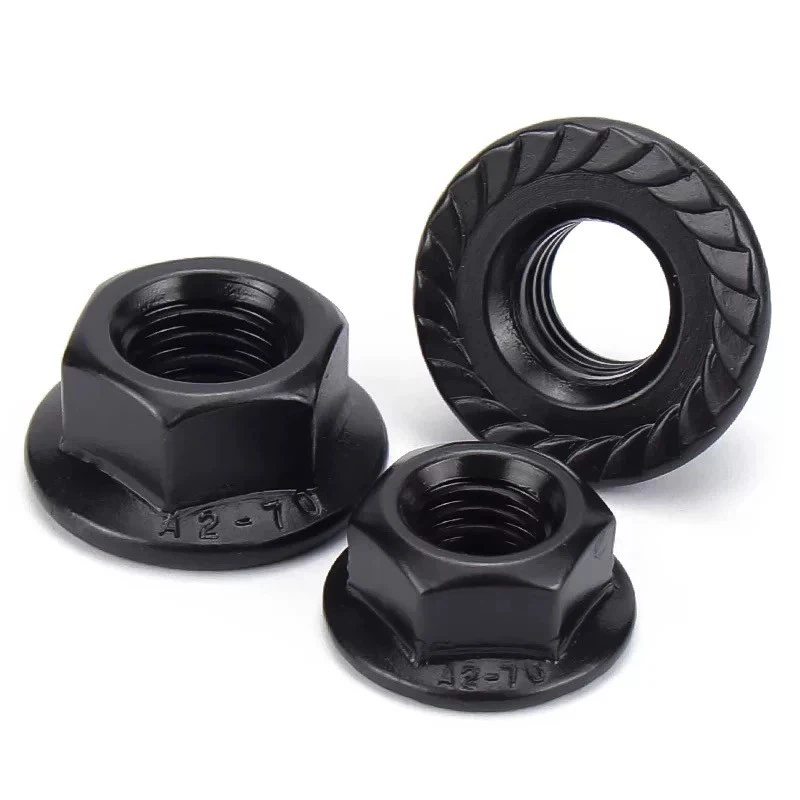
Flange nuts are a type of nut with a wide flange at one end. This flange acts as an integrated washer, providing a larger bearing surface area compared to standard nuts. The increased contact area distributes the load more evenly, reducing the risk of damage to the mating surface. Flange nuts come in various types, such as 22mm Flange Nut, Hex Flange Lock Nut, and 8 Grade Galvanized Flange Nut, each designed to meet different application requirements.
Factors Affecting the Use of Flange Nuts in High - Pressure Environments
Material
The material of a flange nut is a crucial factor in determining its performance in high - pressure environments. High - strength materials such as alloy steel are commonly used for high - pressure applications. Alloy steel flange nuts offer excellent mechanical properties, including high tensile strength and good resistance to deformation. For example, 8 grade galvanized flange nuts are made from high - strength steel and are often used in demanding industrial settings where high pressure and corrosion resistance are required. The galvanization process further enhances their durability by providing a protective layer against rust and corrosion.
Design and Dimensions
The design and dimensions of a flange nut also play a significant role. The thickness of the flange and the nut body, as well as the thread pitch, can affect the nut's ability to withstand high pressure. A thicker flange and nut body can provide greater resistance to deformation under pressure. Additionally, a proper thread pitch ensures a secure fit and prevents the nut from loosening due to vibration or high - pressure forces. Hex flange lock nuts, for instance, are designed with a locking feature that helps maintain the tightness of the connection in high - pressure and high - vibration environments.
Surface Finish
The surface finish of a flange nut can impact its performance in high - pressure applications. A smooth surface finish reduces friction between the nut and the mating surface, which can prevent galling and seizing. In high - pressure environments, where the contact forces are significant, a rough surface finish can lead to premature wear and failure of the nut. Special coatings or treatments can be applied to improve the surface finish and enhance the nut's resistance to corrosion and wear.
Advantages of Using Flange Nuts in High - Pressure Environments
Load Distribution
One of the main advantages of flange nuts in high - pressure environments is their ability to distribute the load evenly. The wide flange spreads the pressure over a larger area, reducing the stress concentration on the mating surface. This helps prevent damage to the surface, such as cracking or deformation, which can occur when using standard nuts. For example, in hydraulic systems where high - pressure fluid is involved, flange nuts can ensure a reliable connection between components and prevent leaks.
Vibration Resistance
High - pressure environments often involve vibration, which can cause nuts to loosen over time. Flange nuts, especially those with locking features like hex flange lock nuts, are more resistant to vibration compared to standard nuts. The locking mechanism prevents the nut from rotating and loosening, ensuring a secure connection even in the presence of high - frequency vibrations. This is particularly important in machinery and equipment operating under high - pressure conditions, where loose nuts can lead to serious malfunctions.
Ease of Installation
Flange nuts are relatively easy to install compared to some other types of fasteners used in high - pressure applications. The integrated washer eliminates the need for an additional washer, reducing the number of components and simplifying the installation process. This can save time and labor costs, especially in large - scale industrial projects.
Limitations and Considerations
Temperature Effects
In high - pressure environments, temperature can also have an impact on the performance of flange nuts. High temperatures can cause the material of the nut to expand, which may affect the tightness of the connection. Additionally, some materials may lose their strength at elevated temperatures. Therefore, it is important to select flange nuts made from materials that can withstand the specific temperature range of the application. For example, in high - pressure steam systems, where temperatures can be very high, special high - temperature alloys may be required.
Pressure Rating
Each flange nut has a specific pressure rating, which indicates the maximum pressure it can safely withstand. It is essential to select a flange nut with a pressure rating that exceeds the expected pressure in the application. Using a nut with an insufficient pressure rating can lead to failure, such as nut deformation or thread stripping. Engineers and technicians should carefully calculate the pressure requirements of the system and choose the appropriate flange nut accordingly.

Case Studies
In the oil and gas industry, flange nuts are widely used in high - pressure pipelines and equipment. For example, in offshore oil rigs, where the pressure in the pipelines can reach several thousand pounds per square inch (psi), high - strength alloy steel flange nuts are used to connect various components. These nuts are designed to withstand the extreme pressure and harsh environmental conditions, including saltwater corrosion. The use of flange nuts ensures the integrity of the pipeline connections and prevents leaks, which are critical for safety and environmental protection.
In the aerospace industry, high - pressure hydraulic systems require reliable fasteners. Flange nuts, especially those with precise dimensions and high - strength materials, are used to secure hydraulic components. The ability of flange nuts to distribute the load evenly and resist vibration is essential in ensuring the safe and efficient operation of aircraft hydraulic systems.
Conclusion
In conclusion, flange nuts can be used in high - pressure environments, provided that the appropriate material, design, and dimensions are selected. High - strength materials, proper design features, and a suitable surface finish are key factors in ensuring the performance of flange nuts in high - pressure applications. The advantages of load distribution, vibration resistance, and ease of installation make flange nuts a popular choice for various high - pressure industries. However, it is important to consider factors such as temperature effects and pressure ratings to avoid potential failures.
If you are looking for high - quality flange nuts for your high - pressure applications, we are here to help. Our wide range of flange nuts, including 22mm Flange Nut, Hex Flange Lock Nut, and 8 Grade Galvanized Flange Nut, are designed to meet the most demanding requirements. Contact us to discuss your specific needs and start a procurement negotiation.
References
- Machinery's Handbook, 31st Edition
- ASME Standards for Fasteners
- ASTM Standards for High - Strength Steel Fasteners