

Are there any eco - friendly manufacturing processes for outer hexagon bolts?
Aug 12, 2025
Leave a message
Hey there! As a supplier of outer hexagon bolts, I've been getting a lot of questions lately about eco-friendly manufacturing processes. So, I thought I'd take a deep dive into this topic and share what I've learned.
First off, let's talk about why eco-friendly manufacturing is such a big deal. In today's world, we're all becoming more aware of the environmental impact of our actions. Industries, including the bolt manufacturing industry, are under pressure to reduce their carbon footprint, minimize waste, and use resources more efficiently. Not only is it good for the planet, but it's also good for business. More and more customers are looking for sustainable products, and by offering eco-friendly outer hexagon bolts, we can meet their needs and stay competitive in the market.
Now, let's get into the nitty-gritty of eco-friendly manufacturing processes for outer hexagon bolts. One of the key aspects is the choice of materials. Traditional bolt manufacturing often uses high - carbon steel, which can have a significant environmental impact during extraction and processing. However, there are more sustainable alternatives available. For example, recycled steel is a great option. It reduces the need for virgin steel production, which in turn saves energy and reduces greenhouse gas emissions. When we use recycled steel to make outer hexagon bolts, we're essentially giving new life to materials that would otherwise end up in landfills.
Another eco-friendly material option is stainless steel. It's known for its durability and corrosion resistance, which means our bolts will last longer. A longer lifespan means fewer replacements, reducing the overall environmental impact over time. Plus, stainless steel is highly recyclable at the end of its life, closing the loop on the material cycle.
The manufacturing process itself also plays a crucial role in being eco - friendly. One of the traditional methods of making outer hexagon bolts is hot forging. While it's an effective way to shape the bolts, it can consume a large amount of energy. To address this, some manufacturers are turning to cold forging. Cold forging is a process where the metal is shaped at room temperature. It uses less energy compared to hot forging because there's no need to heat the metal to high temperatures. Additionally, cold forging can produce bolts with better surface finish and dimensional accuracy, reducing the need for additional machining operations that generate waste.
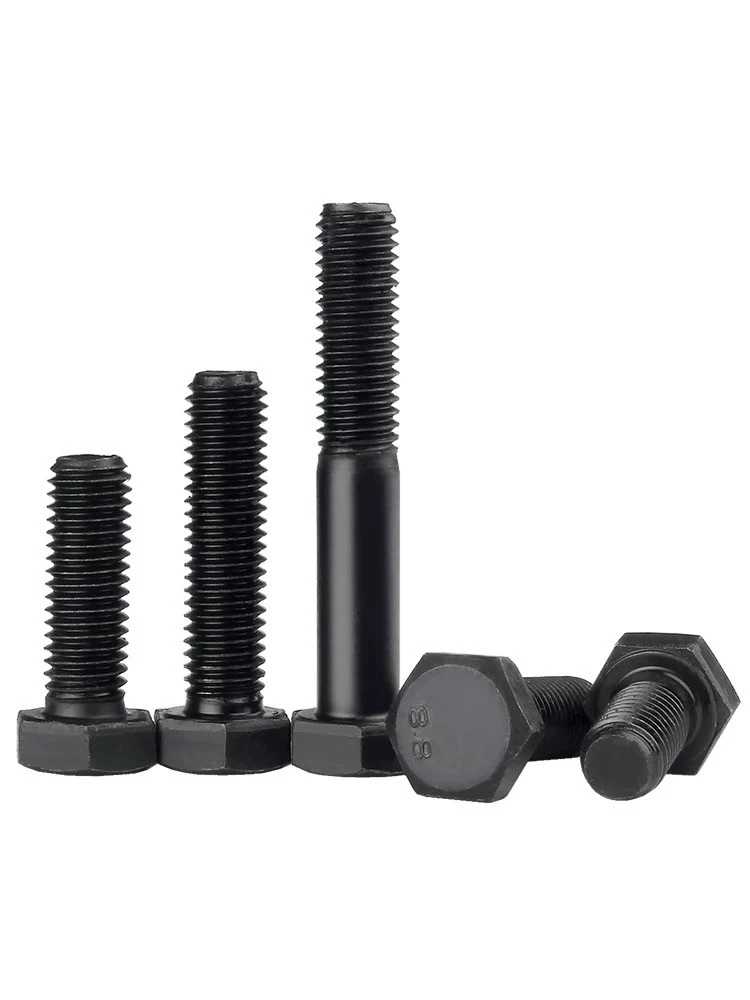

In terms of surface treatment, which is important for protecting the bolts from corrosion, there are eco - friendly alternatives to traditional methods. For example, instead of using chromate coatings, which can be toxic and harmful to the environment, we can use zinc - nickel alloy coatings. Zinc - nickel coatings offer excellent corrosion protection and are more environmentally friendly. They have lower levels of heavy metals and are less likely to leach into the environment.
Let's take a look at some of the products we offer. We have the DIN931 Hex Bolt, which is a widely used type of outer hexagon bolt. Our DIN931 bolts are made with an eye towards sustainability. We use recycled steel whenever possible and employ cold forging techniques to reduce energy consumption.
The GB5783 Hex Bolt is another popular choice. These bolts are known for their high strength and reliability. We make sure that the manufacturing process of our GB5783 bolts is as eco - friendly as possible. From the material selection to the surface treatment, we're committed to minimizing our environmental impact.
If you're looking for high - strength bolts, our 8.8 Grade Hex Bolt is a great option. The 8.8 grade indicates a certain level of tensile strength, and we've managed to achieve this strength while still using sustainable manufacturing practices. We use stainless steel in some of our 8.8 grade bolts, which not only provides the required strength but also offers long - term durability and recyclability.
But it's not just about the materials and processes. We also focus on reducing waste during production. For example, we've optimized our cutting and machining operations to minimize the amount of scrap metal generated. Any scrap metal that we do produce is recycled back into the manufacturing process, ensuring that we make the most of every bit of material.
In addition to waste reduction, we're also working on improving the energy efficiency of our factories. We've installed energy - efficient lighting systems and are exploring the use of renewable energy sources, such as solar panels, to power our manufacturing facilities. By reducing our energy consumption and switching to cleaner energy sources, we're taking another step towards a more sustainable future.
So, are there eco - friendly manufacturing processes for outer hexagon bolts? Absolutely! As a supplier, we're constantly looking for ways to improve our sustainability practices. We believe that by offering eco - friendly outer hexagon bolts, we can not only contribute to a healthier planet but also meet the growing demand from customers who are concerned about the environment.
If you're in the market for outer hexagon bolts and are interested in our eco - friendly products, we'd love to have a chat with you. Whether you're a small - scale contractor or a large - scale industrial client, we can provide you with high - quality, sustainable bolts that meet your needs. Don't hesitate to reach out for more information or to start a procurement discussion.
References
- "Sustainable Manufacturing in the Metalworking Industry" - Journal of Environmental Science and Technology
- "Recycled Metals and Their Applications in Bolt Manufacturing" - Metal Recycling Quarterly
- "Eco - Friendly Surface Treatments for Fasteners" - Fastener Technology Magazine